The Heart Disease Fix Most Doctors Miss
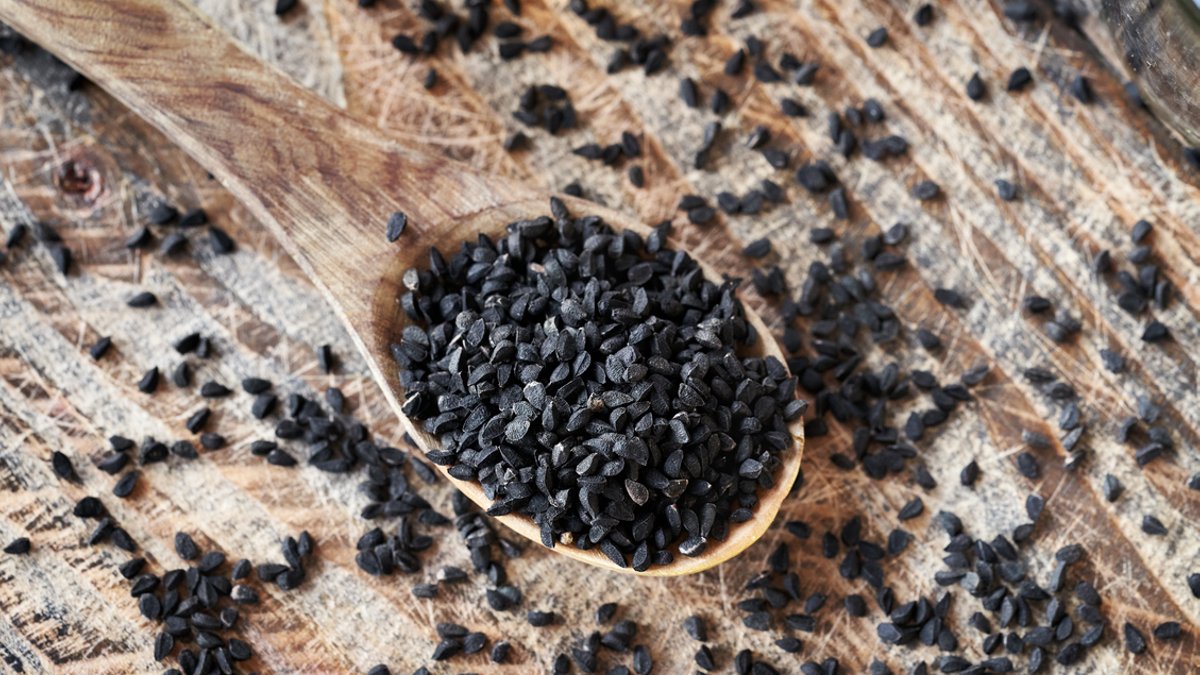
Most people are told to manage high blood pressure, cholesterol, and blood sugar with separate prescriptions. Doctors rarely mention other options for these metabolic problems. But a new analysis of more than 5,000 adults suggests that a small black seed, already in many spice cabinets, may improve the same heart disease markers with fewer risks.
Researchers pooled results from 82 randomized controlled trials involving 5,026 adults and published their findings in Pharmacological Research in September 2025. The team came from several Iranian universities and the Universal Scientific Education and Research Network. They aimed to settle a question smaller studies had left unresolved — whether Nigella sativa, commonly called black seed or black cumin, meaningfully improves the biological markers tied to heart disease.
Black seed supplementation reduced body weight, body mass index, waist circumference, and body fat percentage compared with placebo. Blood pressure dropped across systolic, diastolic, and mean arterial readings. Heart rate also declined, a pattern often linked to lower cardiovascular strain.
Blood sugar control moved just as clearly. Fasting blood sugar, HbA1c, and post-meal glucose all improved, alongside better insulin sensitivity scores. Cholesterol markers followed the same pattern: total cholesterol, LDL, and triglycerides fell while protective HDL cholesterol rose.
Inflammation and liver markers told a consistent story. Black seed reduced C-reactive protein and interleukin-6, both closely tied to artery damage over time. Vascular adhesion molecules, which signal how readily inflammatory cells stick to blood vessel walls, also dropped. Liver enzymes including ALT and AST improved, along with markers of antioxidant activity in the blood.
Related: Cancer strikes younger generations with rising frequency
Ground black seed and black seed oil both appear in the research. Daily amounts in most trials ranged from 1 to 3 grams of powder or 1 to 3 milliliters of oil. One teaspoon of ground black seed contains roughly 4 grams, so a single daily teaspoon stirred into food lands squarely within the study range. For those who prefer oil, a half teaspoon delivers close to 2 milliliters.
Add black seed to foods where the slightly peppery, earthy flavor already belongs — flatbread dough, roasted vegetables, yogurt-based sauces, and spice blends alongside cumin and coriander. Toasting the whole seeds briefly in a dry pan before grinding brings out more flavor and may improve absorption of the active compounds. Most trials ran for two months or longer, so expect at least eight weeks before seeing changes in bloodwork.
For people with metabolic syndrome or early signs of heart disease, this means a single dietary ingredient can touch multiple systems at once. Instead of taking separate pills for each symptom, using black seed consistently as part of daily meals may address the underlying inflammation and metabolic strain. But the research is not a substitute for medical advice, and the studies varied in quality and duration.
Heart disease rarely stems from a single broken number. Blood pressure, cholesterol, blood sugar, and inflammation all feed into each other. The analysis found that black seed moved all of them together, which carries more weight than an intervention that isolates one marker. The researchers used a GRADE-assessed, dose-response method to separate genuine effect from statistical noise. Few natural compounds have been tested this thoroughly.
Across 5,026 adults, black seed improved every major cardiovascular marker measured. The study was published in Pharmacological Research in September 2025, and its scale puts the answer on far firmer ground than any single trial could. The findings also connect to how anxiety and sleeplessness can worsen metabolic health, showing another layer of the same problem.

Overlooked habit worsens anxiety and sleeplessness

Berberine boosts metabolism in three months
Related Articles

 Clinic Access
