Overlooked habit worsens anxiety and sleeplessness
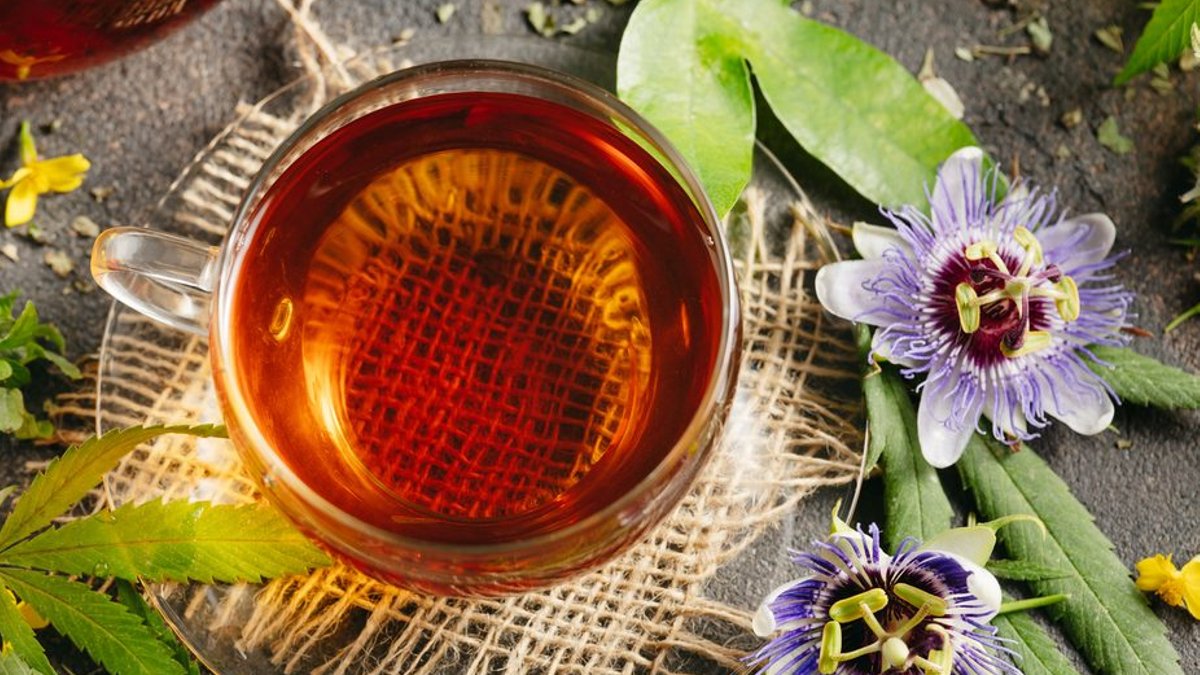
Most people with anxiety or insomnia leave their doctor’s office with a prescription for benzodiazepines. A recent clinical trial suggests they might be missing a simpler, older option that works just as well—without the side effects.
Passionflower matched a common sedative in reducing stress hormones
A triple-blind, randomized controlled trial published in Scientific Reports in December 2025 tested passionflower extract against Midazolam, a widely prescribed benzodiazepine, in 30 adults undergoing third molar extraction surgery. Participants received either 260 mg of passionflower, Midazolam, or a placebo 30 minutes before the procedure.
Salivary cortisol, the body’s primary stress marker, dropped significantly in both the Midazolam and passionflower groups after surgery. The placebo group showed no change. The difference between the two active treatments was not statistically significant—meaning the plant extract performed as well as the pharmaceutical drug.
Related: Cancer strikes younger generations with rising frequency
Side effects told a different story. Midazolam caused amnesia in a notable portion of patients and drowsiness in the majority. Passionflower produced neither.
Centuries of use, now backed by modern research
Passionflower has been used for nervous restlessness and sleeplessness since at least the 1800s, when Western herbalists adopted it from Native American traditions. Today, it appears in the official pharmacopoeias of Germany, the United Kingdom, France, and Egypt. The European Medicines Agency recognizes its traditional use for mild symptoms of mental stress and sleep disturbances.
Herbalists and holistic healthcare providers often recommend it for anxiety, tension, and difficulty falling asleep. The herb’s active compounds bind to GABA receptors—the same pathway targeted by benzodiazepines—but without the risk of dependence or cognitive impairment. This makes it a preferred option for long-term nervous system support.
While anxiety and sleeplessness carry the strongest clinical backing, herbalists and holistic practitioners also use passionflower for nervous headaches, menopausal restlessness, palpitations rooted in anxiety, and the racing mental activity that prevents sleep onset.
Related: Winter Health Tips from NovaHealth Urgent Care
In clinical herbal tradition, passionflower combines well with other calming botanicals. Valerian root adds deeper sedative support for people with severe sleep disruption. Lemon balm addresses the digestive tension that often accompanies chronic anxiety. All of these herbs are widely available as supplements or teas.
How to use passionflower effectively
Passionflower is available as tea, capsules, or tinctures. A traditional preparation involves steeping one to two teaspoons of dried herb in hot water for 10 minutes, taken in the evening. Research suggests consistent use over at least four weeks yields the best results.
The trial used 260 mg of extract 30 minutes before a stressful event.

Cancer strikes younger generations with rising frequency


