Counting the HIV deaths that are missed
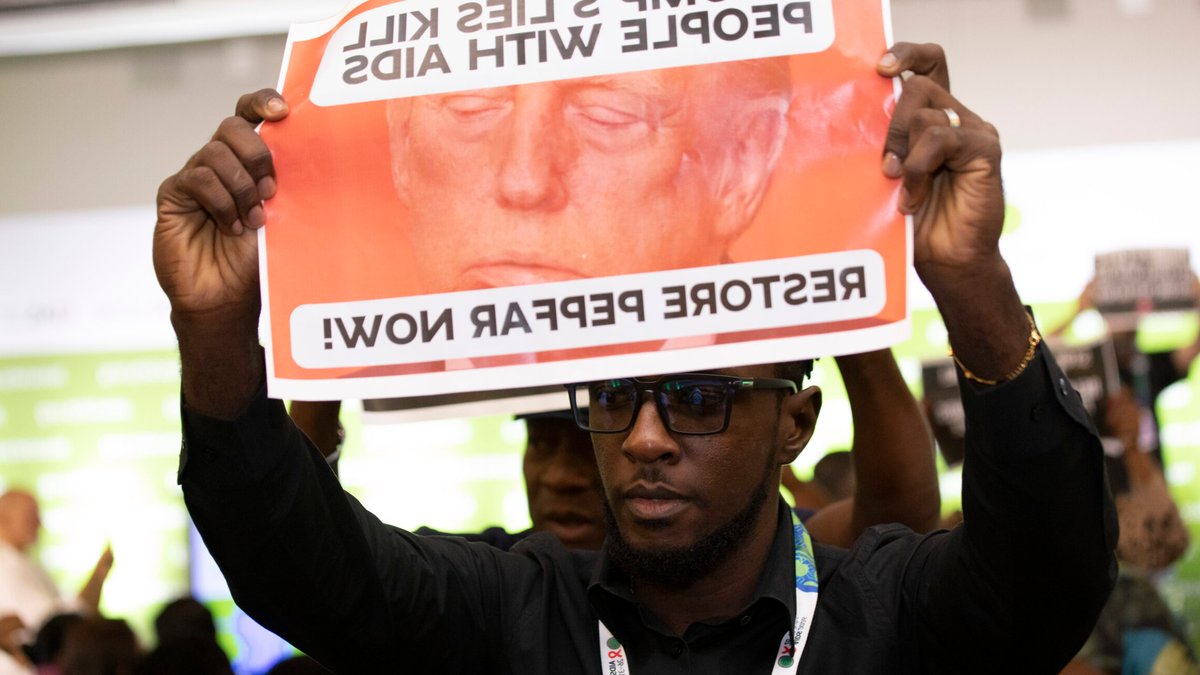
Funding reductions in the global HIV response have left the true toll largely unknown. Eighteen months after major changes in US foreign aid policy, the number of HIV deaths linked to these shifts cannot be precisely counted. Quantifying the impact of the cuts is difficult because no full tally of the deceased exists. Every figure circulated is a projection based on a hypothetical scenario without aid reductions.
The Uncertainty of the Data
UNAIDS does not directly count AIDS deaths; it estimates them using a model that incorporates prevalence tests, household surveys, and clinic treatment registers. The model relies on assumptions about mortality when treatment is interrupted, so it cannot independently confirm that aid cuts caused any deaths. Moreover, the published margin of error reflects only the model’s calculations, not potential mistakes in national data collection. When countries fail to produce data, UNAIDS generates estimates that reviewers cannot verify.
According to the UNAIDS special report for Rio, AIDS-related deaths are projected at 570,000 for 2025, with a wide confidence range that reduces certainty in the central figure. The estimate for people living with HIV stands at 41 million, bounded by 35.3 and 47.5 million. These numbers stem from modeling different scenarios rather than direct observation.
Related: US Map Error Angers African Nations
Relying on theoretical modeling becomes especially risky as real‑world variables shift rapidly. Policymakers are attempting to manage a pandemic response with tools designed for a more stable environment, potentially overlooking critical turning points caused by geopolitical tension or new medical breakthroughs. This creates a gap between the data used for decisions and the reality on the ground.
The US Funding Gap
Donor government funding for HIV/AIDS dropped 25 % in a single year, with the decline driven entirely by the United States. Disbursements fell by $2.09 billion, while the global decline was $2.08 billion. Other donors had already reduced contributions earlier, and their combined total now remains level. This reduction could translate into higher AIDS mortality, though the exact effect remains uncertain.
The overall financing picture is complex. Domestic funding increased by 4 % in 2025, and more than 55 countries have pledged to raise their own contributions. Public and private domestic resources now account for 59 % of total HIV financing in low‑ and middle‑income nations. Consequently, total resources fell by only 6 % to $17.6 billion.
What Is Missing From the Models
Between 2024 and 2025, prevention spending fell 51 %, testing decreased by 17 %, and pre‑exposure prophylaxis initiations dropped by a third. Direct service staff numbers declined by 62,541, representing a quarter of that workforce. Approximately 77,000 fewer children received treatment through these programmes. Facilities that had served nearly 442,000 people stopped reporting, leaving their status unknown. When a clinic ceases reporting, the model interprets the gap as treatment failure and translates it into projected deaths.
Related: Study Finds Depression Improves Without Medication
A new drug called Lenacapavir showed promise in trials, preventing infection in certain groups within a year. Its United States list price is $28,218 annually as a patented product. Pending generic availability, the manufacturer has offered no‑profit supply through PEPFAR. Meanwhile, the United States is shifting toward bilateral compacts. The State Department’s America First Global Health Strategy seeks agreements that prioritize national interests, which could improve local ownership but also raise concerns about data sharing and leveraging health assistance in business negotiations.
Domestic Policies and Costs
Some of the steepest declines in HIV treatment rates stem from domestic policy choices rather than foreign aid cuts. In Senegal, visits to treatment centers fell by a quarter after penalties for same‑sex relations were increased. Criminalization pushes the condition underground, making it invisible to data collection systems and causing models to underestimate mortality. In 2026, 168 countries criminalized sex work, 152 prohibited possession of small amounts of drugs, and 66 restricted same‑sex relations, marking the first rise in such trends tracked by UNAIDS.
Even with breakthrough treatments, access costs remain a hurdle. While generics could lower the price of a new injectable drug, 17 middle‑income nations, including Brazil, are excluded from the voluntary licence and must pay the full patented price. Tracking HIV/AIDS through models that rely on outdated assumptions is increasingly questionable. In an era of rapid policy and pharmaceutical innovations, tightening resources, and geopolitical shifts, the models struggle to keep pace with a world that is changing faster than data can be updated.

US Map Error Angers African Nations


