Zimbabweans struggle to access HIV drugs after fleeing SA
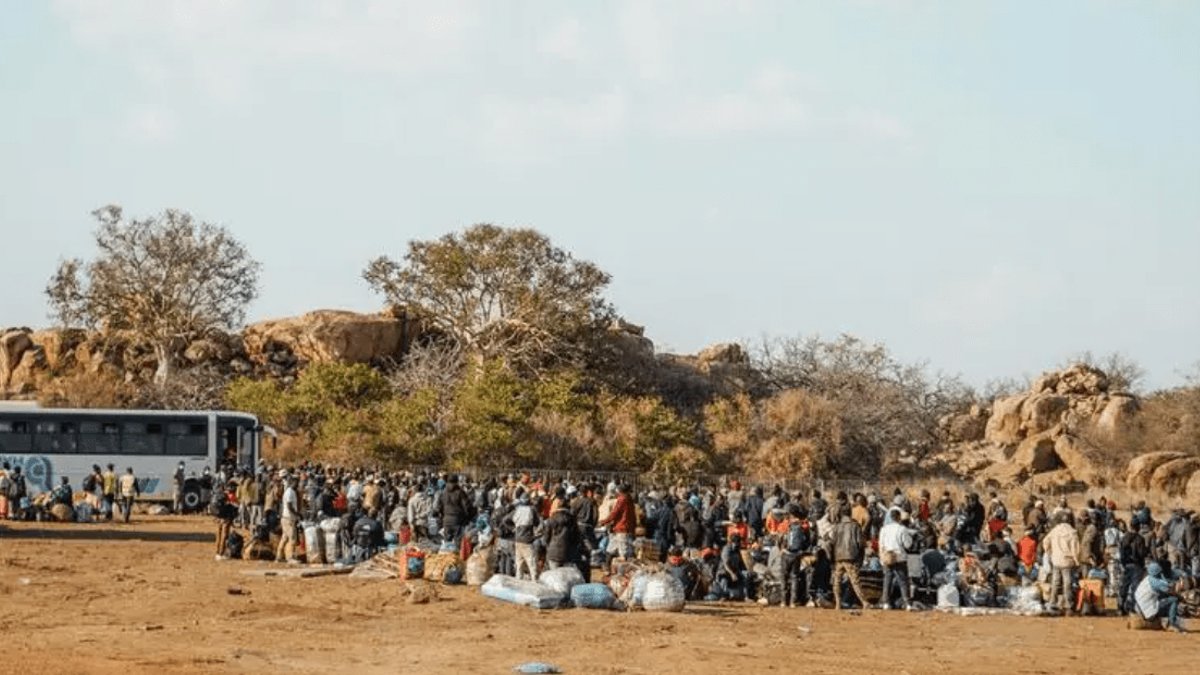
Thousands of Zimbabweans who fled xenophobic violence in South Africa now face severe difficulties obtaining HIV medication after returning home. Many experience worsening health with limited treatment options.
From Stability to Crisis
Renious Gumbi, 49, worked as a bricklayer in South Africa for two decades. There, he received free antiretroviral treatment through the country’s public health system. South Africa’s Constitution guarantees healthcare access to everyone, including non-citizens. However, rising anti-immigrant sentiment led groups like March and March to blockade clinics, preventing foreign nationals from entering.
Gumbi went without his medication for months. By the time his wife arranged his return to Zimbabwe, the damage was irreversible. He died shortly after crossing the border, where he finally received ARVs. His wife, Senzeni, described the situation as unjust, blaming South African authorities for permitting the blockades and Zimbabwe’s government for lacking a plan to support citizens abroad.
Related: Counting the HIV deaths that are missed
A System Under Strain
Zimbabwe’s ability to provide ARVs has weakened following the collapse of U.S.-Zimbabwe talks in February over future HIV funding. The country depends on the U.S. President’s Emergency Plan for AIDS Relief to treat 1.2 million people. A full withdrawal could result in 75,000 new infections within a year, according to estimates.
South Africa funds its own ARV program and does not rely on U.S. aid. However, the return of Zimbabweans—many of whom missed treatment—is straining an already fragile system. Officials believe between two and three million Zimbabweans live in South Africa, though thousands entered illegally, making precise counts difficult.
At the Musina repatriation center on the Zimbabwe-South Africa border, Médecins Sans Frontières operates a clinic to distribute emergency ARVs. Long-term care remains uncertain.
Related: Ebola Response Crumbles as Fatigue Grips Congo Health Workers
Gilbert Muzokomba, 58, faced this reality after being blocked from his Gauteng clinic.
A Hidden Epidemic
The country’s HIV population totals 1.3 million, according to UNAIDS. The return of migrants may increase pressure on an overburdened system.
A temporary solution—emergency ARVs at the border—is all that prevents further decline for many returnees. Without a clear plan for sustained treatment, more people risk falling through the gaps.

Counting the HIV deaths that are missed


