2000 Dead Officials Seek to Break Ebola Chains
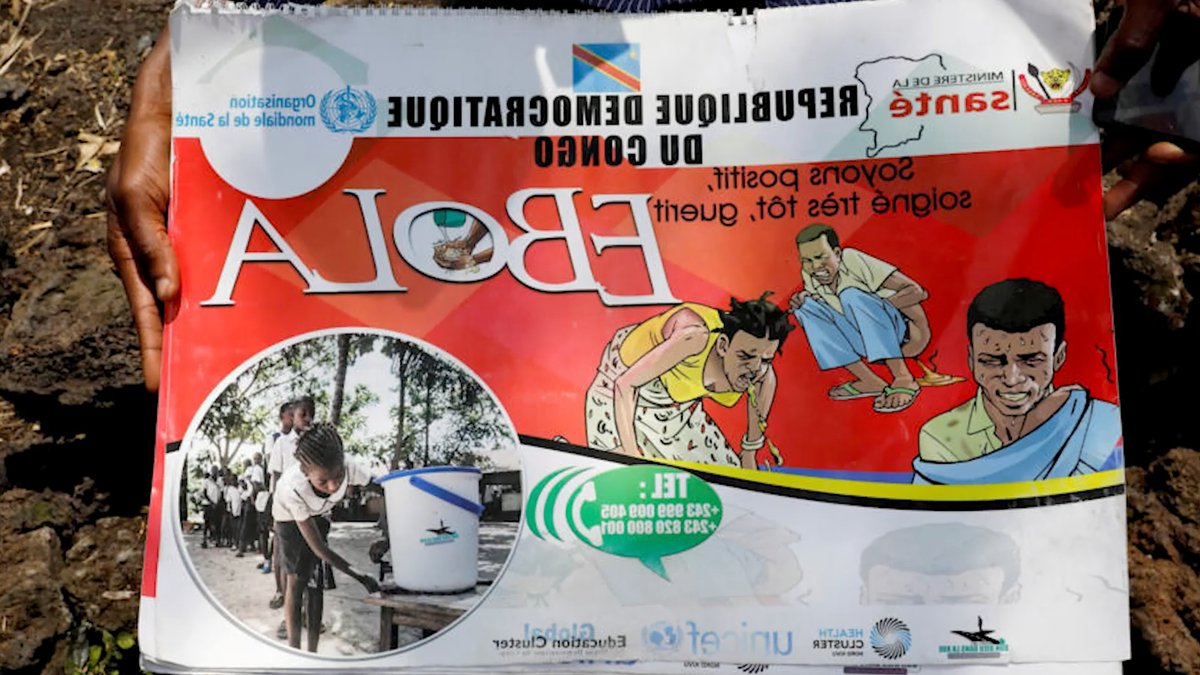
More than 2,000 deaths have been recorded in the ongoing Ebola outbreak in the Democratic Republic of Congo, and World Health Organization officials say breaking the chains of transmission hinges on expanding local surveillance.
WHO calls for intensified community‑based monitoring
During a media briefing, Dr Tedros Adhanom Ghebreyesus warned that a “high proportion of deaths in communities instead of treatment units, outside of known contact lists” signals hidden transmission routes. He stressed that without identifying and interrupting every chain, the outbreak cannot be contained.
According to the director, about 90 % of the 4,449 confirmed cases and 80 % of the fatalities are concentrated in Ituri province, with ongoing spread in the towns of Bunia, Rwampara, Nizi and Litha. Most infections occur when individuals with late‑stage disease are not receiving care or when bodies are handled after death.
“Early clinical care and safe and dignified burials are therefore critical for interrupting transmission, and both depend on the trust of affected communities,” he said, adding that community engagement and ownership are essential.
Related: Heat raises women’s violence risk prompting policy overhaul
Resource gaps and funding shortfalls
Partners have pledged to make 3,000 beds available for Ebola patients, yet only 1,500 beds have been set up after three months. Dr Abdi Rahman Mahamud, WHO director for Health Emergency Alert and Response Operations, noted that a “moderate scenario” projects the outbreak peaking within six months, but emphasized that without community cooperation, the response could falter.
Funding remains a major hurdle. Of the $518 million pledged, $264 million has been disbursed, while the DRC government estimates a total need of $940 million. Most of the money raised has flowed to partner organizations rather than directly to the DRC government, which has contributed $50 million and aims to eventually cover health workers’ salaries.
To date, 21,000 health workers have been trained, but WHO says three staff members are required per patient for effective care. The shortfall in personnel makes scaling up both human resources and surveillance capacity urgent.
In a move to strengthen community intelligence, the Wellcome Trust recently granted $3 million to WHO for expanding “social analytics” in outbreak response. Dr Chikwe Ihekweazu, executive director of WHO’s Health Emergencies Programme, explained that integrating community‑generated evidence helps build a fuller picture of the epidemic and supports faster decision‑making.
Related: Vitamins may aid healthy aging process
The broader picture shows how fragile health systems can be when faced with both disease and insecurity.
Understanding the interplay between local trust, resource allocation, and epidemiological surveillance is key to preventing a repeat of past, longer‑lasting crises.
WHO officials continue to urge that every suspected case be brought into care and that contact‑tracing reach the 95 % target needed to halt transmission.
Hope alone does not constitute a strategy; sustained community involvement and amplified surveillance are the only viable paths forward.

Heat raises women's violence risk prompting policy overhaul


