Chad Hospital Shows Climate Resilience Amid Crisis
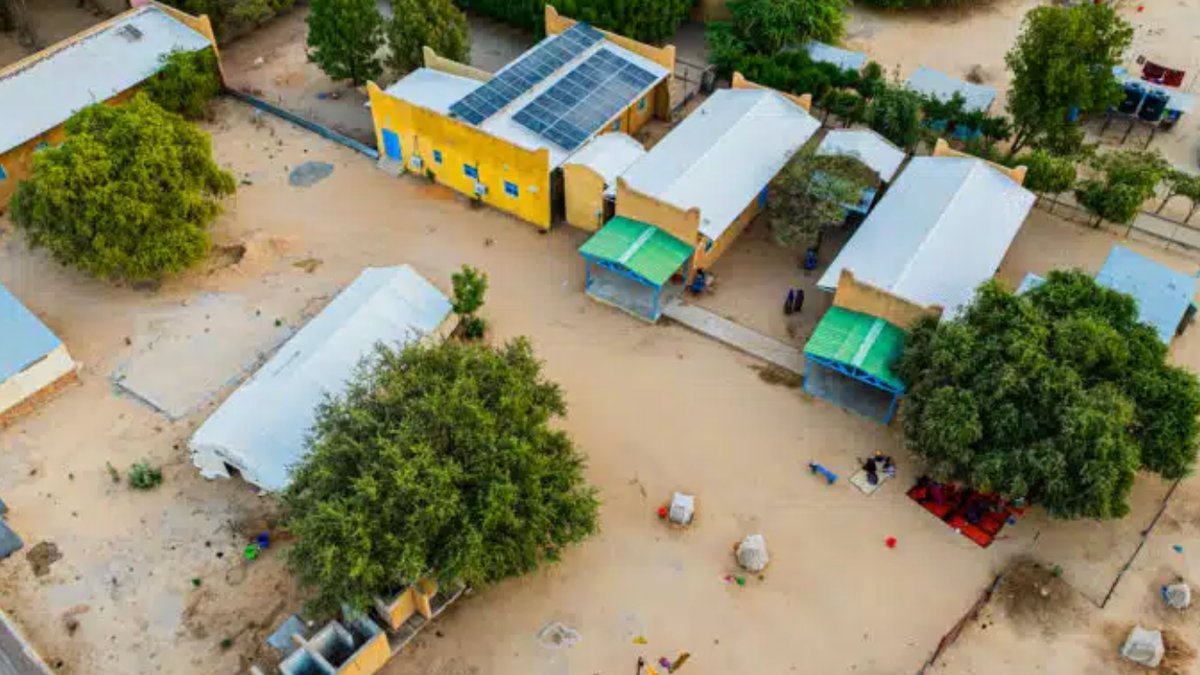
Ngouri Hospital in Chad has made itself more climate-resilient, offering lessons in climate resilience as El Niño bears down on the region. Situated on the edge of the advancing Sahara Desert, Ngouri in western Chad is one of the most vulnerable places in the world to climate change.
Heat is already rising in the region as the El Niño advances globally, with hotter sea surface temperatures in the tropical Pacific Ocean driving up land temperatures and triggering severe weather events. The World Meteorological Organization predicts that this year’s El Niño will be strong – meaning sea surface temperatures at least 2ºC hotter than usual – and it will intensify steadily and dominate global climate patterns from now until October, bringing heatwaves, drought, and extreme weather.
Ngouri Hospital has around 100 beds and serves a population of some 200,000 people. But patients often move out of the hospital buildings to the trees during the day because of the intense heat indoors.
Three years ago, the Climate Action Accelerator, the Alliance for International Medical Action, medical humanitarian NGO Alerte Sante, and Chad’s health ministry launched a project to make the hospital more resilient to climate shocks. Temperatures sometimes reach as high as 47ºC, and El Niño is expected to bring even hotter, drier conditions.
CAA’s Alexandre Robert told a World Health Organization webinar that “The main health risks here are related to heat and malnutrition,” and malaria cases have also increased, particularly in children. The temperature in the intensive care unit can reach as high as 42ºC, said Robert.
Related: 2000 Dead Officials Seek to Break Ebola Chains
Solutions included painting the hospital roof with a reflective white paint, which has lowered indoor temperatures by around 5ºC, and introducing reliable solar energy – key to power the hospital’s blood bank, oxygen concentrators, fridges that store vaccines, and to ensure light during night-time births.
Reliable solar-driven electricity at Ngouri Hospital has improved paediatric, emergency, and laboratory services – and the facility is more resilient to climate change. “The key message is that working on the infrastructure can give very good results in the [improved] quality of care,” said Robert, stressing the importance of “integrated and participatory approaches” at health facility level.
“Everyone will be impacted by El Niño,” said Tereza Zakaria, WHO’s unit head of risk reduction, humanitarian operations and climate change. “We’re feeling the heat, we’re feeling the excess rain, and we’re feeling the drought,” she told the webinar, convened by WHO’s epidemic information network, EPI-WIN, to discuss how to prepare health facilities for El Niño.
Zakaria urged all involved parties to integrate meteorological and climate data into health surveillance to ensure a speedy response to the effects of El Niño. As the effects will differ from region to region, Zakaria stressed the importance of this approach.
Alex Camacho, the Pan American Health Organization’s regional adviser on emergency preparedness and disaster relief, said that El Niño is already affecting his region. On the dry, hot side of the region, Honduras has already assisted more than 50,000 families affected by food insecurity, Bolivia has a nationwide drought and is struggling with fires, and Panama, El Salvador, Guatemala and Nicaragua are also experiencing drought.
Related: Drug-Resistant Malaria Mutation Spreads Across Lake Victoria Basin
Meanwhile, Colombia faces up to three million additional food-insecure people. Some of the PAHO region is experiencing wetter conditions, with floods in parts of Brazil and severe storms in other countries. ltaf Musani, WHO director of humanitarian and disaster management, warned that 239 million people “are already struggling to remain alive in humanitarian settings, resulting from conflict, climate shocks, and disease outbreaks”.
Severe funding constraints across the humanitarian system have already disrupted more than 8,000 health facilities, affecting access to care for at least 53 million people.
Protecting people from extreme heat, as well as other El Niño effects, requires coordinated action across health and beyond health. Early action and collaboration are so important. Not a single institution or sector can manage these risks. They need strong collaboration between governments, public health agencies, meteorological and climate services, humanitarian and development partners, researchers, private sector communities, and donors.
As the effects of El Niño will differ from region to region, it is essential to integrate heat and climate data into health surveillance. For more information on heat and climate data, you can visit our website.

2000 Dead Officials Seek to Break Ebola Chains


