Heat raises women’s violence risk prompting policy overhaul
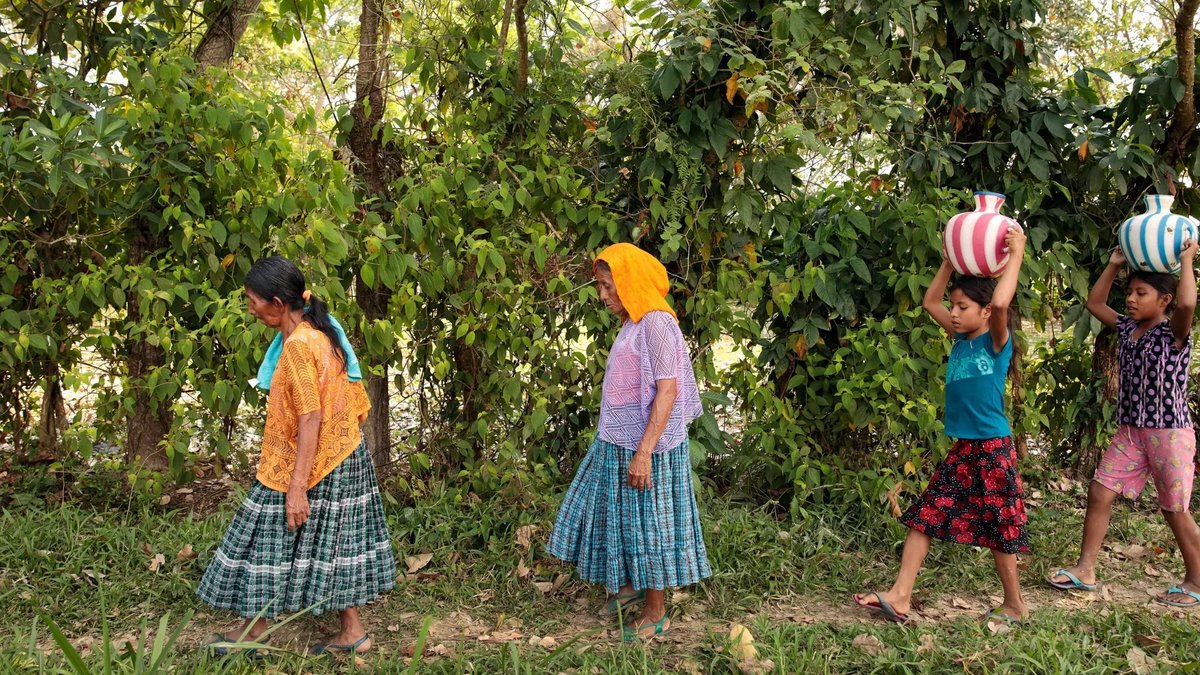
Heat waves are raising the risk of intimate partner violence for women living in drought‑prone regions, a pattern that researchers highlighted at a conference in Chennai, India, and that is still missing from most heat‑action plans.
Study links rising temperatures to a surge in domestic abuse
Preliminary findings from a study led by the MS Swaminathan Research Foundation (MSSRF) show that 72 % of respondents in seven Indian states reported an increase in intimate partner violence during the hot months of April through June. The survey covered more than 1,050 women living in areas classified as drought‑prone.
Dr Mohan Kumar, director of health and nutrition at MSSRF, said the research aims to provide solid evidence for policymakers that gender‑specific vulnerability cannot be treated as a peripheral concern. “Geographic and socioeconomic factors have long been on the radar, but gender has not received the same focus,” he explained.
The data suggest that traditional expectations—such as women being required to wear multiple layers even in extreme heat—compound the stress that already exists in households facing water scarcity and crop failure.
Related: Court Blocks White House Science Grant Control
Gender roles and land rights deepen the problem
Women in agrarian communities often manage seeds, livestock and water resources, yet they rarely own the land they tend. This lack of formal ownership limits their ability to influence decisions about resource allocation during climate emergencies.
“When women’s voices are included, policies tend to be more effective,” said Aditi Mukherji, principal scientist of climate action at the International Livestock Research Institute. She noted that women’s responsibilities for nursing sick animals give them early insight into climate‑related stress on livestock.
Even as the UN declares 2026 the International Year of the Woman Farmers, experts warn that attention may wane after the designated year ends. Dr Israel Oliver King, head of MSSRF’s biodiversity programme, cautioned that without sustained effort, the progress made in recognizing women’s contributions could be lost.
The risk rises as heat intensifies.
Related: Study Shows Traditional Drink Lowers Blood Pressure
In practice, the heightened vulnerability means that women who already face limited mobility may find it harder to leave abusive situations when heat makes travel uncomfortable or unsafe. Their reduced ability to seek help can trap them in households where the risk of violence spikes alongside temperature.
Research on climate impacts has started to address these gaps, but the pace remains slow, according to conference participants. Dr Soumya Swaminathan, former WHO chief scientist and chair of the MSSRF conference, emphasized that “bringing focus on this topic is the first step in closing research or policy gaps.” She added that community‑based studies are essential for creating lasting change.
While the conference highlighted the need for gender‑sensitive policies, concrete steps remain limited. Some city planners are beginning to incorporate gender considerations into heat‑action strategies, but many still lack the data needed to tailor interventions effectively.
The evidence presented in Chennai shows a clear link between rising temperatures and increased domestic abuse, pointing to an urgent need for policymakers to integrate gender analysis into climate resilience planning.

Court Blocks White House Science Grant Control


