Court Blocks White House Science Grant Control
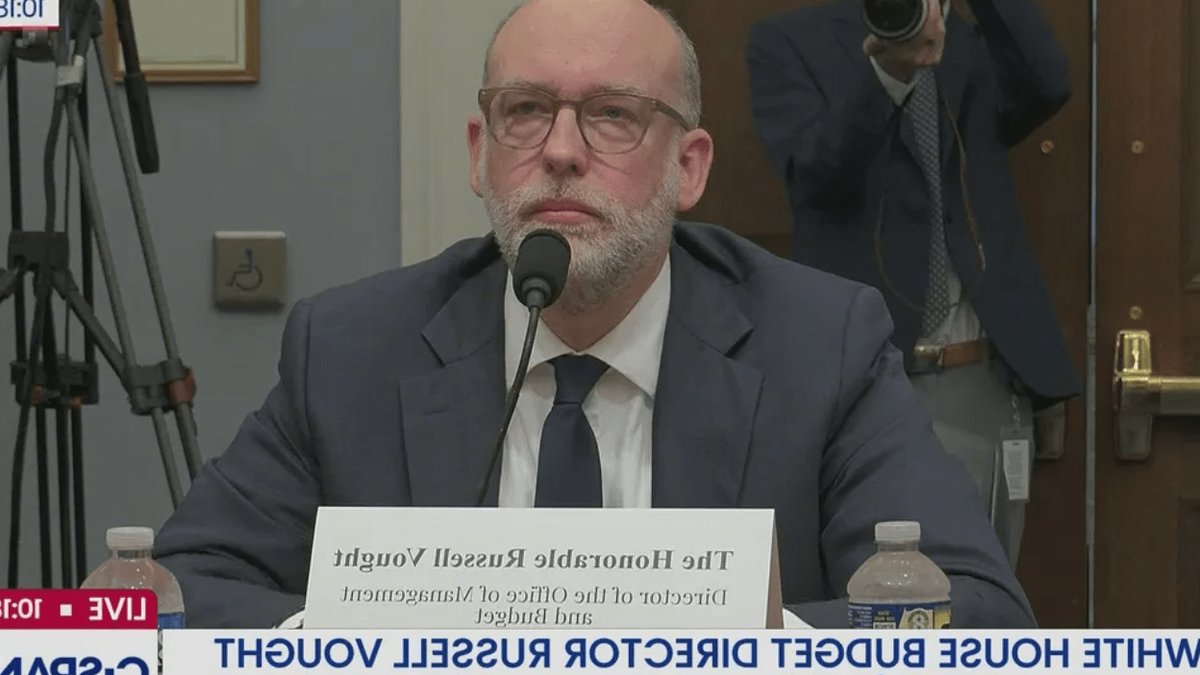
The White House Office of Management and Budget’s plan to subject all US research grants to political oversight has been halted by the US Senate, at least for now. The Office of Management and Budget, led by Director Russell Vought, proposed a new law that would enable political appointees to review all government grant proposals and terminate existing grants if they didn’t align with political priorities.
A clause preventing the Office of Management and Budget from introducing any new rules was included in the non-partisan temporary spending bill passed by the Senate. This bill is not yet law, and the fate of the Office of Management and Budget’s new law now lies with the US Congress, which will decide after its August recess whether to adopt the Senate’s resolution.
Proposed Regulations Spark Outcry
The proposed new law would prevent research on gender and diversity, equity and inclusion, and heavily restrict international scientific collaborations. Russell Vought, a key author of the right-wing Project 2025, wanted to introduce the new regulations in October. However, the proposal sparked a massive outcry from the scientific community, with scientists stating that the new regulation undermines the non-partisan award process and politicizes science.
Republican Senator Susan Collins, the chair of the Senate Appropriations Committee, said she was pleased that the bipartisan agreement prevents the Office of Management and Budget’s proposed rule regarding federal financial assistance from taking effect. She advocated for significant changes to the proposed rule, citing its potential to politicize grants and harm small, rural communities, families, and biomedical research.
Reaction from the Scientific Community
Senator Patty Murray, Collins’ Democratic counterpart and committee deputy, said that the bill blocks implementation of the Office of Management and Budget’s corrupt new grants rule for the duration of the continuing resolution. The proposed rule would systematically politicize federal funding and allow officials to cancel grants at any time for any reason. The Infectious Diseases Society of America (IDSA) and HIV Medicine Association (HIVMA) applauded Collins and Murray for the temporary block on the Office of Management and Budget’s ambitions.
Related: Malaria Fight Needs More Than New Tools
The IDSA and HIVMA noted that the Office of Management and Budget rule would undermine Congress’ authority by allowing the termination of federal grants by the party in charge without cause and without any recourse for grantees. They called on the House of Representatives to pass the Senate continuing resolution as soon as possible to ensure uninterrupted support for research, public health programs, and access to health care, especially in rural communities and among populations vulnerable to communicable diseases.
The US Congress will decide after its August recess whether to adopt the Senate’s resolution. If the bill becomes law, it would prevent the Office of Management and Budget from introducing any new rules, effectively blocking the proposed regulations. They will likely continue to monitor the situation closely, as the outcome could have significant implications for the future of research grants in the US.
Scientists and lawmakers on both sides of the issue will weigh in as the situation unfolds. The fate of the Office of Management and Budget’s new law will have a significant impact on the scientific community and the future of research in the US. For now, the temporary block on the Office of Management and Budget’s ambitions is a welcome relief for many scientists, who can continue their work without the threat of political interference, focusing on critical issues like HIV deaths.
Combat the infodemic in health information and support health policy reporting from the global South. Our growing network of journalists in Africa, Asia, Geneva and New York connect the dots between regional realities and the big global debates, with evidence-based, open access news and analysis. To make a personal or organisational contribution click here.

Malaria Fight Needs More Than New Tools


