Malaria Fight Needs More Than New Tools
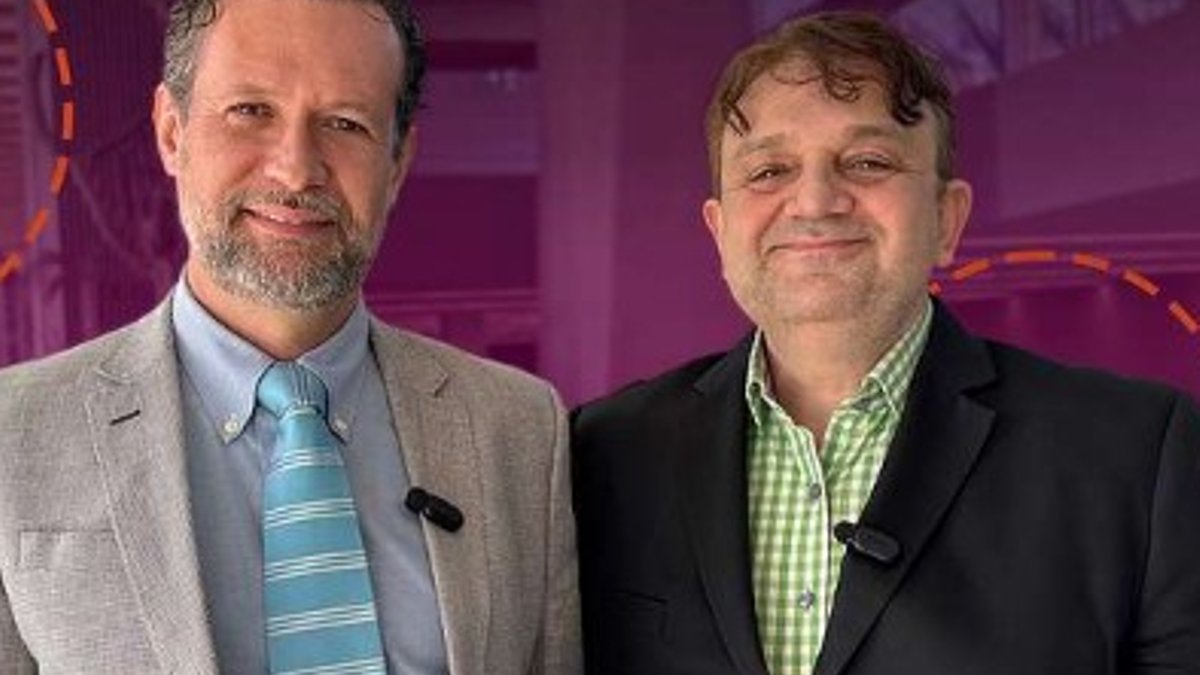
Dr. Marcus Lacerda, Director of the WHO-hosted Special Programme for Research and Training in Tropical Diseases, warns that malaria will not be eradicated by tools alone. Lacerda has spent over 25 years studying infectious diseases in the Brazilian Amazon and is known for his work on tafenoquine, a single-dose radical cure for Plasmodium vivax malaria.
He describes children whose futures are shaped by repeated bouts of vivax malaria as “people who are being killed socially.” Lacerda’s career in tropical medicine began when he was a young medical student, visiting remote communities in the Amazon with Catholic missionaries.
Lacerda became convinced that his life’s calling was to practice medicine, focusing on diseases prevalent in the Amazon, particularly vivax malaria. A study in the Amazon found that children who had experienced at least one episode of vivax malaria performed worse in school than their peers.
Related: US HIV Policy Shift: Focus on All At-Risk People
Malaria sometimes kills, but sometimes it kills people in the sense of not allowing those kids to go to the university, Lacerda said. Despite major advances in diagnostics, treatment, and prevention, Lacerda argues that scientific innovation alone will not eliminate malaria.
Competing national priorities have pushed malaria down the global agenda, and Lacerda notes that the appetite for eradication is not what it used to be. For Lacerda, the challenge ahead is not only developing new solutions but ensuring countries have the support and determination needed to put existing ones into practice.
Lacerda’s work on tafenoquine has been instrumental in the fight against Plasmodium vivax malaria. However, he emphasizes that tools alone are not enough to eradicate the disease. In practice, this means that efforts to combat malaria must also address the social and economic factors that contribute to its persistence, such as lack of access to education and healthcare.
Related: Ginkgo biloba fails to prevent dementia, study finds
His experiences in the Amazon have shaped his career and informed his approach to combating malaria. He ultimately became convinced that his life’s calling was to practice medicine, particularly focusing on the diseases prevalent in the Amazon, such as vivax malaria.
Lacerda’s work serves as a reminder that malaria is a complex issue. While tools like tafenoquine are essential, they must be accompanied by efforts to address the social and economic factors that contribute to the disease’s persistence, requiring a broad approach that includes understanding the experiences of people living in remote communities.

US HIV Policy Shift: Focus on All At-Risk People


