Ginkgo biloba fails to prevent dementia, study finds
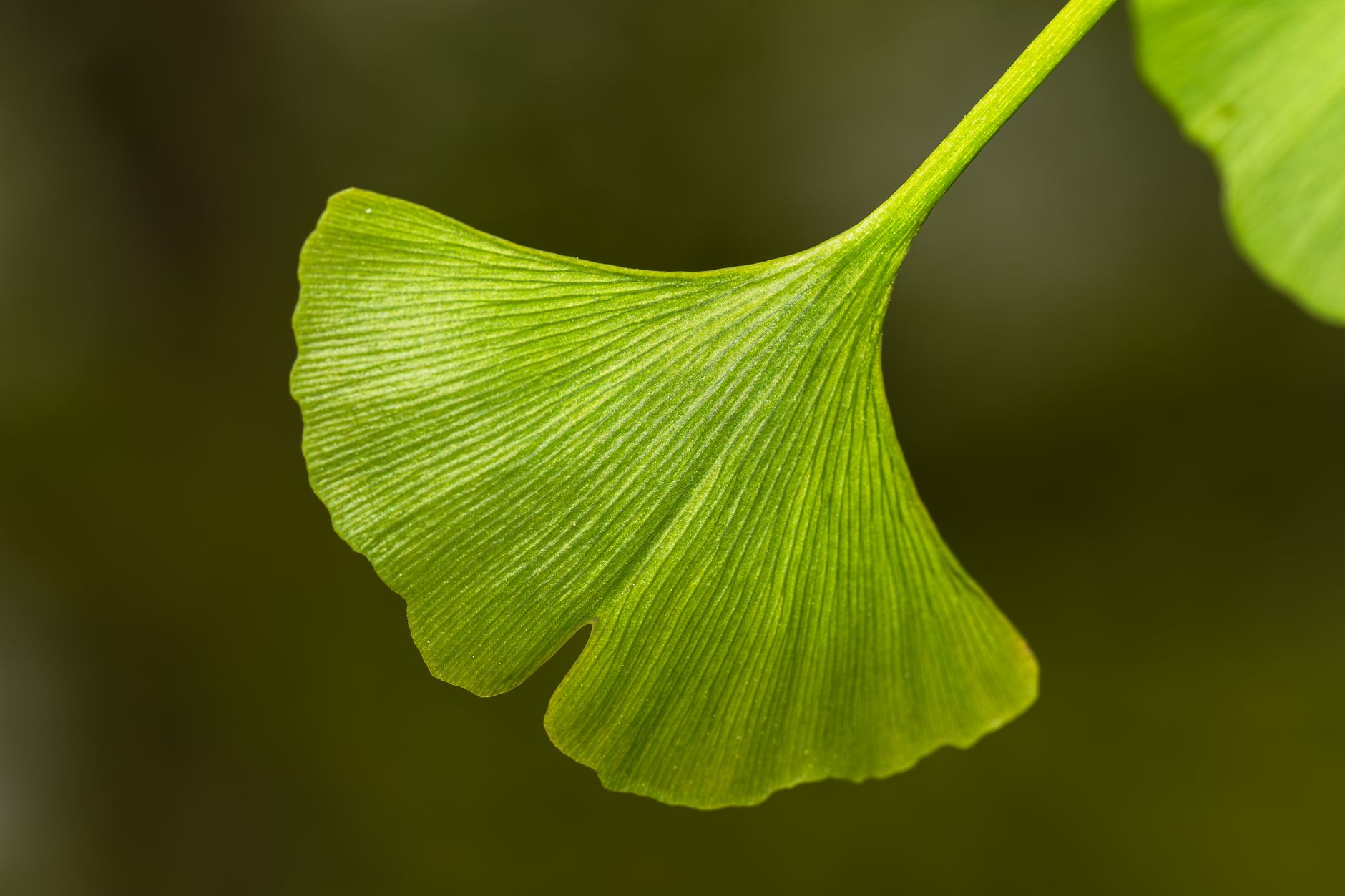
New research indicates that Ginkgo biloba does not prevent Alzheimer’s disease, but it may help people who already show cognitive decline.
Study reviews a three‑decade span of herbal trials
Researchers at the University of Granada examined more than 500 articles and clinical trial registrations, ultimately selecting 31 studies that met strict design criteria. The systematic review, published in the International Journal of Molecular Sciences in October 2025, focused on natural compounds tested against Alzheimer’s disease or mild cognitive impairment in human participants.
While the review covered a range of botanicals—including saffron, grape‑derived extracts, and sesame oil—herbal treatments as a class showed a notable frequency of measurable cognitive benefits. Ginkgo biloba appeared in several of the strongest trials identified.
Prevention trial shows no benefit
One large trial followed 2,854 older adults who reported memory complaints over a five‑year period. Participants received a daily dose of a standardized extract known as EGb 761, containing 240 mg of the herb. The study aimed to determine whether regular use could prevent the onset of Alzheimer’s disease.
Results showed no statistically significant difference in Alzheimer’s diagnoses between the ginkgo group and the placebo group. The data suggest that, for people without existing cognitive impairment, the herb does not reduce the risk of developing the disease.
Treatment trials reveal modest gains
Two separate studies evaluated more than 400 patients each who already had a dementia diagnosis. Both trials used the same EGb 761 formulation at 240 mg per day and compared outcomes with a placebo.
In each case, participants receiving ginkgo demonstrated improvements in cognitive testing scores and daily living abilities. Researchers attribute these gains to the herb’s flavonoids and terpenoids, which are known to improve cerebral blood flow and mitigate oxidative stress.
By contrast, the prevention trial’s lack of effect may stem from the fact that healthy brain tissue has limited capacity for further improvement, making it harder to detect any subtle benefit.
Related: Berberine boosts metabolism in three months
Supplement quality matters.
The review also noted that other herbal extracts showed a similar pattern: they tended to aid individuals with existing decline but offered little advantage when used solely as a preventive measure. This distinction is rarely highlighted in marketing materials.
For people currently managing dementia, or caring for someone who is, the findings provide a reason for cautious optimism about Ginkgo biloba. However, the benefit appears tied to a specific, standardized extract. Many over‑the‑counter supplements lack the same level of quality control, resulting in variable concentrations of active compounds.
Choosing products that clearly label EGb 761 can bring the supplement closer to the conditions under which the positive results were observed.
In practice, the timing of supplementation matters. Those hoping to forestall dementia decades ahead may find little support for that goal in the current evidence. Conversely, individuals with early symptoms might experience modest functional gains, especially when the herb is combined with other therapeutic strategies.
Broader prevention strategies remain essential
Given that Ginkgo biloba seems most effective after cognitive changes begin, focusing on early detection is critical for healthy adults. Lifestyle factors—regular physical activity, sufficient sleep, and active social engagement—have stronger links to dementia prevention than any single supplement examined in the review.
Educational programs, such as the Alzheimer’s and Dementia Docu‑Class, emphasize a multiple approach. Sessions cover early warning signs, environmental toxins that raise risk, and natural methods for supporting brain health throughout life.
Overall, the evidence does not support using Ginkgo biloba as a standalone preventive measure, but it may serve as a modest adjunct for those already experiencing cognitive decline, provided the product meets standardized quality criteria.

Study Finds Ginkgo Biloba Doesn’t Prevent Dementia


