FDA tightens infant formula nutrient standards
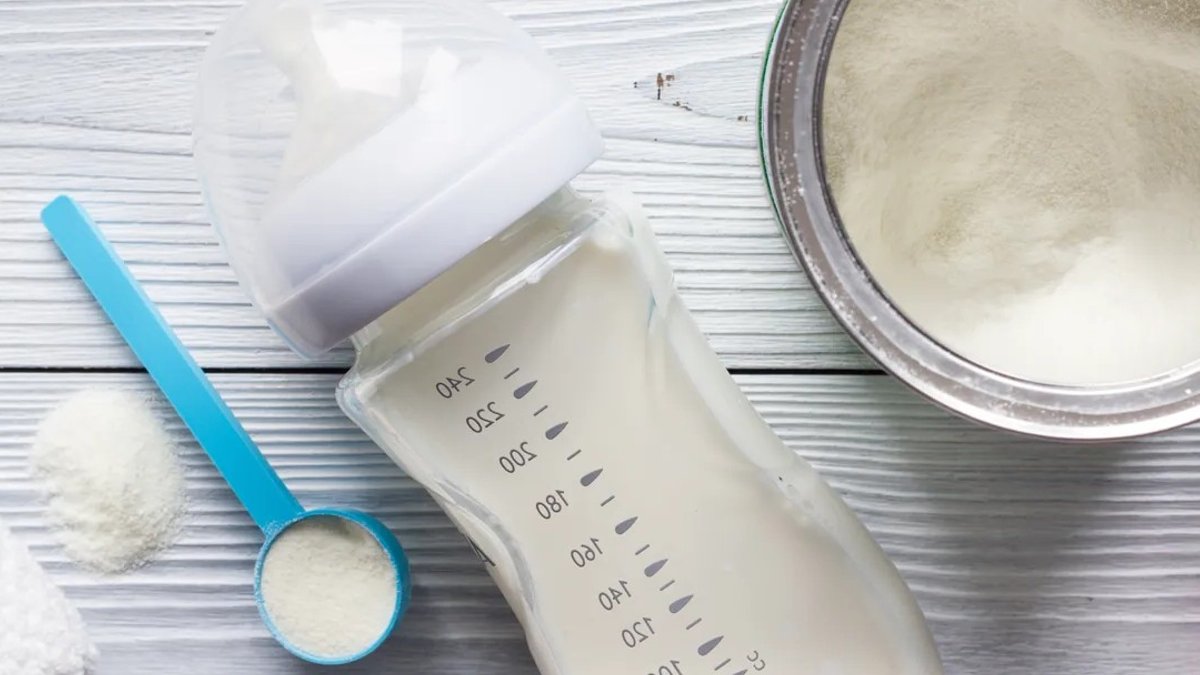
The agency is seeking public comments for 120 days, with a deadline of March 2, 2027. The updates aim to align formula standards with current scientific evidence, rather than addressing safety concerns directly.
The first phase of the review proposes adjustments to iodine, manganese, vitamin A, and vitamin D levels. For iodine, the FDA wants to raise the minimum requirement from 5 micrograms per 100 kcal to 15 micrograms per 100 kcal while lowering the maximum from 75 micrograms per 100 kcal to 50 micrograms per 100 kcal. Manganese levels would see stricter limits: the minimum would drop from 5 micrograms per 100 kcal to 1 microgram per 100 kcal, with a new maximum of 50 micrograms per 100 kcal.
Vitamin A and D requirements would also shift. Vitamin A’s measurement unit would change from international units (IU) to micrograms of retinol activity equivalents (µg RAE), with minimum levels dropping from 75 µg RAE per 100 kcal to 70 µg RAE per 100 kcal and maximum levels decreasing from 225 µg RAE per 100 kcal to 120 µg RAE per 100 kcal. Only preformed vitamin A would count toward compliance, excluding beta-carotene.
Related Post: 2000 Dead Officials Seek to Break Ebola Chains
Vitamin D would see its minimum requirement increase from 1 µg per 100 kcal (40 IU) to 2 µg per 100 kcal (80 IU), with the maximum rising from 2.5 µg per 100 kcal (100 IU) to 3 µg per 100 kcal (120 IU). The FDA expects these changes to reduce risks of deficiency for vitamin D and iodine while limiting excessive intake of vitamin A and manganese.
Once finalized, the updated rules would take effect 60 days after publication in the Federal Register, with manufacturers granted a three-year compliance period. The FDA’s review is part of Operation Stork Speed, an initiative to improve infant formula safety and supply, mandated by the Federal Food, Drug, and Cosmetic Act, which requires periodic updates.
The agency is also seeking public feedback on draft guidance to help manufacturers reduce cadmium in processed foods for babies and young children, with comments due by December 22, 2026. The FDA has not set a final deadline for completing the full nutrient review but aims to finish “as quickly as possible.”


