Firms That Make Better Decisions Will Thrive
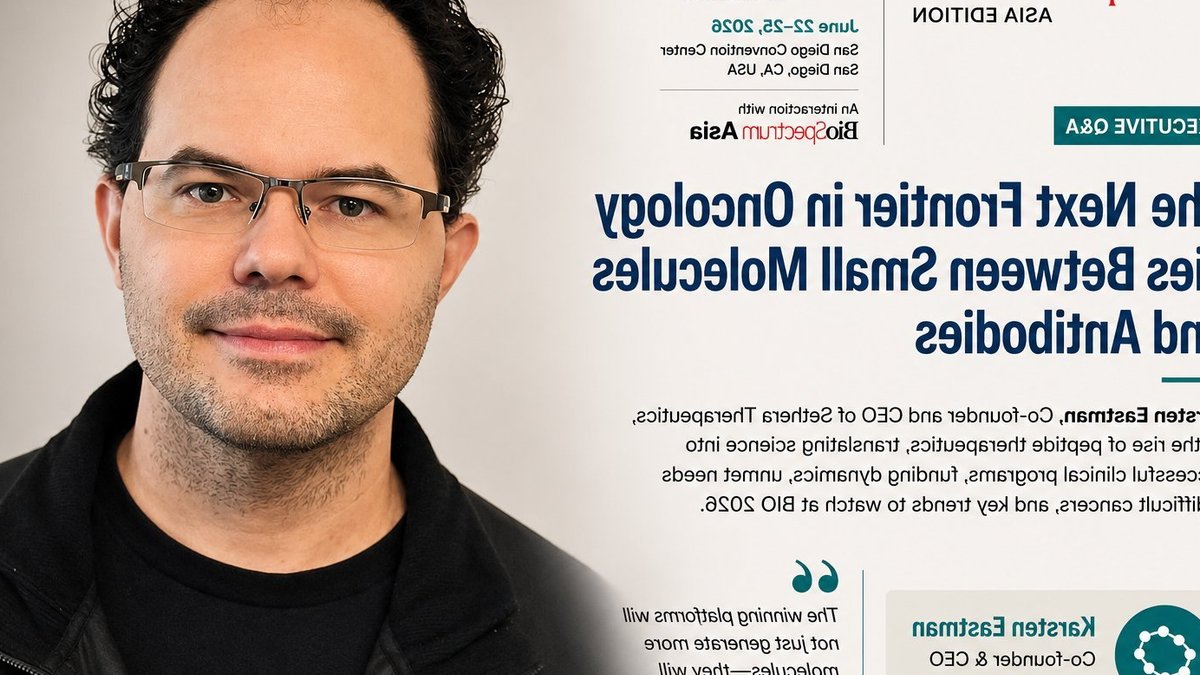
Cancer drug discovery is entering a more disciplined era, according to a conversation with the CEO of Sethera Therapeutics at the BIO International Convention 2026. Investors and clinicians now demand therapeutic approaches that can show clear clinical relevance and a practical development path, not just a higher number of candidate molecules.
The field is evolving rapidly.
Precision oncology seeks better selectivity
Karsten Eastman, co‑founder and CEO of Sethera, says the field has moved beyond the simple dichotomy of cytotoxic versus targeted therapy. The current questions focus on reaching the right tumor biology, modulating the correct protein interaction, delivering an appropriate payload, and identifying patients most likely to benefit.
He points to several modalities that could shape the next five years: protein‑protein interaction inhibitors, intracellular targets, transcriptional regulators, and tumor‑specific conformational states. Targeted delivery methods such as antibody‑drug conjugates, radioligand therapies, and ligand‑directed therapeutics remain central because they improve therapeutic index where small molecules or systemic biologics fall short.
Related: Samsung Biologics buys PolyPeptide for CHF 1.46 B
Constrained and macrocyclic peptides are gaining attention. Peptides occupy a space between small molecules and antibodies, offering high‑affinity, high‑selectivity recognition while being engineered for stability and tissue exposure. Advances in stabilizing peptide structures and screening large chemical spaces are turning them into a serious therapeutic class for difficult oncology targets.
Translational hurdles emphasize decision‑making
The biggest barrier, Eastman notes, is not a lack of compelling cancer biology but the difficulty of converting that biology into a product with a clear clinical path. Key translational challenges include target validation, modality fit, biomarker strategy, manufacturability, pharmacology, and capital efficiency.
A molecule may bind well in vitro yet fail because of exposure, stability, delivery, toxicity, or insufficient functional effect in the relevant cellular context. Biomarkers can be scientifically useful but impractical for patient selection, creating a gap between promising research and a successful clinical program.
Platforms that generate many apparent candidates through computational design or machine learning often create the illusion of progress without delivering clinical evidence.
Related: Korean Startup Progeneer Closes $390M Cancer Vaccine Deal
In practice, this shift means that investors and partners now require clearer development paths and stronger translational rationale. Companies must demonstrate not only what their technology can do, but why it matters clinically and how early data will de‑risk the program.
For patients with cancers that lack durable responses, such as immunologically cold tumors or those driven by intracellular interactions, constrained peptides could fill a therapeutic gap. Their ability to be engineered for high specificity, macrocyclized for stability, and linked to payloads offers flexibility that traditional antibodies or small molecules lack.
Looking ahead, the industry is expected to move from platform breadth to product credibility. Companies that can show differentiated chemistry, a defined clinical use case, strong early pharmacology, and a credible path to development will be better positioned for success.

Samsung Biologics buys PolyPeptide for CHF 1.46 B


