Ebola Spread Sparks Fears of New Strain
The Democratic Republic of Congo (DRC) is grappling with an alarming spread of Ebola, with over 4,000 cases and 1,800 deaths recorded so far. Health experts are now investigating whether the virus is mutating to become more infectious, according to Dr Jean Kaseya, Director General of Africa Centres for Disease Control and Prevention.
Unprecedented Outbreak
The current outbreak has grown at eight times the pace of the world’s biggest Ebola outbreak, which occurred in West Africa between 2018 and 2020. Every day, 75 new cases and 35 deaths have been recorded in the past week.
Dr Tedros Adhanom Ghebreyesus, World Health Organization (WHO) Director General, and Dr Kaseya have agreed to conduct a study to check if the virus is mutating. The level of severity of this outbreak is unprecedented, prompting concerns about the virus’s potential mutation.
Community-Led Response
Following a joint high-level mission to the DRC and Uganda, the WHO and Africa Centres for Disease Control and Prevention called for an urgent scale-up of the community-led Ebola response. This includes stronger early detection, contact follow-up, access to care, and support for frontline health workers.
Dr Tedros emphasized the importance of building trust and respecting local traditions, including safe and dignified burials, to reach affected communities and stop transmission. Dr Kaseya noted that one of the main purposes of the delegation’s visit to Bunia, an Ebola hotspot, was to listen to communities and involve them in the response efforts.
The DRC government has stopped a boat with 200 passengers from reaching the capital, Kinshasa, after a patient with suspected Ebola symptoms had disembarked and died. Kinshasa, with a population of around 17 million, has not yet been affected by the outbreak.
Health Worker Protests
Around 140 health workers have been infected with Ebola, and several protests and strikes have been held over unpaid wages. Health workers in Ituri protested outside the governor’s office, saying they had not been paid salaries or allowances since May.
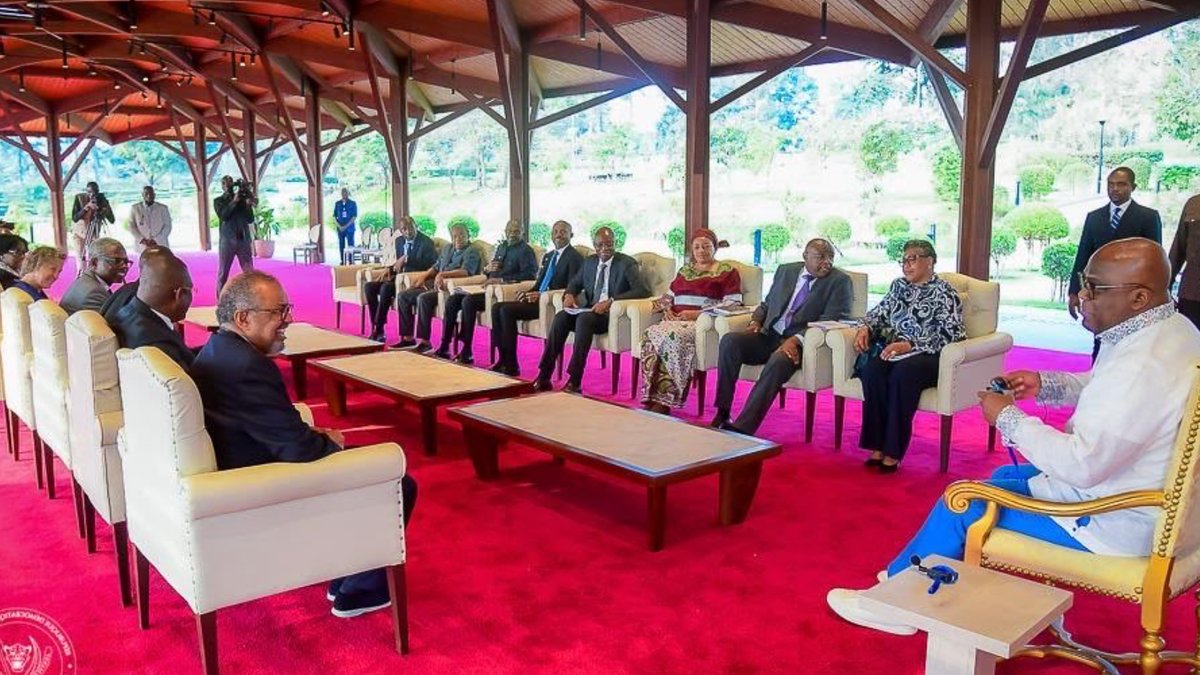
Dr Tedros added that, in their meeting with DRC President Felix Tshisekedi, they discussed “the need to continue to protect and support frontline health and community workers, including by ensuring they have adequate personal protective equipment, and are compensated for their work”.
International Support
The US State Department announced an additional $242 million in funding for immediate Ebola response and preparedness efforts in the region.
People in affected communities face significant challenges in accessing healthcare and trusted information. The need for community-led response and involvement in the outbreak efforts is essential to building trust and stopping transmission. As the situation continues to unfold, it is essential to prioritize the needs of those most affected and ensure that they have access to accurate information and timely support, including access to pandemic declarations and regulations change.
The DRC government’s decision to offer free health services to those living in affected provinces has been a positive step, but more needs to be done to address the root causes of the outbreak and prevent further spread. As the international community continues to provide support, it is essential to ensure that this assistance is targeted effectively and reaches those who need it most.

UN Releases Final Pandemic Declaration Text Before Vote


