Fauci’s silence sparks health policy debate
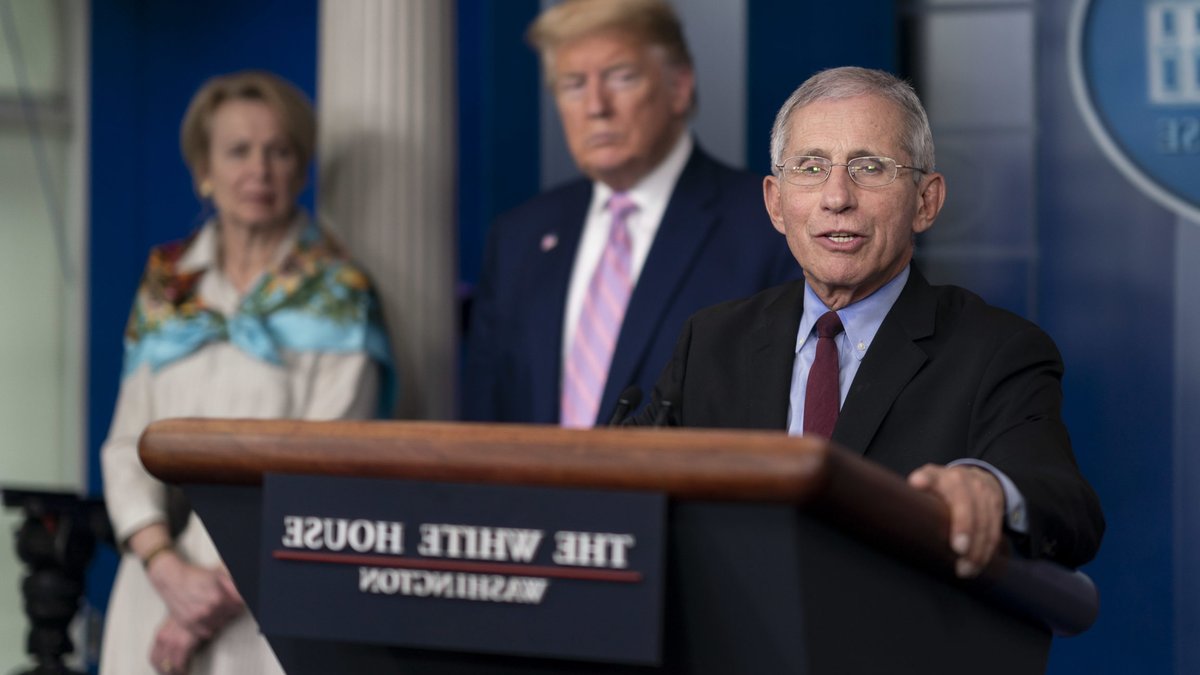
Anthony Fauci, once the most recognizable face of America’s pandemic response, sat before a U.S. Senate committee in late July and refused to answer nearly every question. His silence followed legal advice to invoke the Fifth Amendment, shielding himself from self-incrimination in a politically charged inquiry into the country’s COVID-19 response.
The decision was legally sound but carried strategic risks. In a criminal trial, prosecutors cannot infer guilt from a defendant’s silence. Senate hearings, however, operate under different standards. There, silence invites interpretation—and in this case, it deepened the partisan divide Fauci had spent years trying to bridge.
The Fifth Amendment’s long shadow
The Fifth Amendment’s protections against self-incrimination are a cornerstone of American law, rooted in the Constitution and reflected in international human rights agreements. Its application extends beyond courtrooms to civil, administrative, and legislative proceedings. Fauci relied on this protection, arguing the committee’s Republican majority was hostile and biased.
His refusal to engage frustrated lawmakers. The committee, already divided along party lines, voted to hold him in contempt and referred the matter to the Justice Department. The charge is serious, and with a potentially unsympathetic administration in power, his legal challenges may worsen.
Public opinion has shifted. Fauci’s approval rating, once above 70%, has dropped to 54%—closer to the 40% rating of Robert F. Kennedy Jr., the former health official whose pandemic policies drew sharp criticism from scientists. This change reflects a broader decline in trust in public health institutions, one his silence may have hastened.
Related: Heat raises women’s violence risk prompting policy overhaul
A global outlier in accountability
Most democracies handle post-crisis reviews differently. Twenty-five nations have conducted national COVID-19 investigations. The United States produced a partisan committee and a pre-emptive pardon that silenced the one man who could explain to millions of angry, confused Americans why they suffered so badly.
The U.S. lacks mechanisms to compel transparency in such inquiries. Instead, the country relies on partisan committees—tools that, in Fauci’s case, have only worsened the dysfunction.
The difference with other nations is stark. In the U.S., a pardon was granted before any reckoning could take place.
That duty doesn’t exist in the U.S. Instead, officials decide what the public can handle, often leaning toward caution—or secrecy. The result is a vacuum filled by misinformation, like the debunked claim that COVID vaccines caused an 82% miscarriage rate in early pregnancies, which some lawmakers repeated after the hearing.
When authorities withhold or obscure facts, trust erodes. Once lost, it’s difficult to restore. Fauci’s case illustrates this risk: without transparency, even respected figures become targets.
Related: Counting the HIV deaths that are missed
A warning for global health
Fauci’s situation extends beyond U.S. borders. It serves as a cautionary example of how American dysfunction can undermine global health governance. The country’s 2026 withdrawal from the World Health Organization—later reversed—highlighted a broader retreat from international cooperation. This shift created space for other nations to pursue a new path, one less dependent on American leadership and more resistant to its political fluctuations.
The change is already happening. Countries are adjusting to reduced U.S. foreign aid and questioning the conditions attached to it. Fauci’s experience strengthens the argument for self-reliance in global health. If the U.S. cannot hold its own officials accountable, why should the world rely on it for guidance?
The WHO’s next director-general, taking office in August 2027, faces a delicate challenge: rebuilding trust without rushing to align with a nation whose domestic politics have become a liability. The world need not wait for America to return. But when it does, the lesson from Fauci’s silence may be clear: accountability is not optional. It is essential for trust—and without it, even the most respected experts lose credibility.
For now, the U.S. remains trapped in its cycle of blame. Fauci’s legacy, once untouchable, is now a political issue. His silence may have shielded him temporarily, but it left the country no closer to understanding its suffering. Ultimately, that question remains unanswered.

Fauci Case Not About COVID Origins


