Hidden Bitter Seeds May Drive Metabolic Benefits
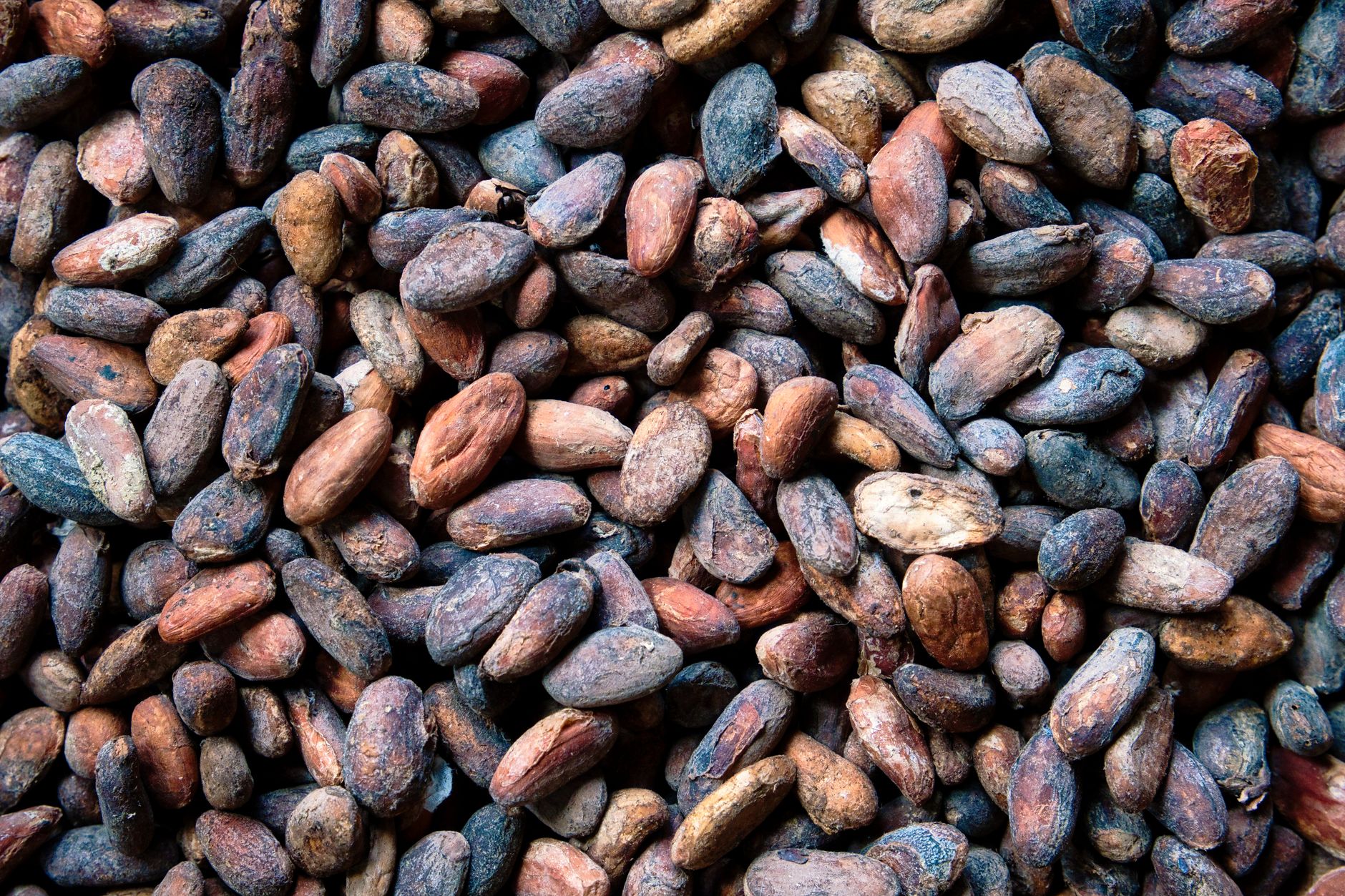
A mysterious maple syrup scent drifting over Manhattan eventually led investigators to a New Jersey plant processing a common spice: fenugreek. The aroma came from a compound called sotolone, but the seed has spent thousands of years working on something far more useful than a pleasant smell. Recent research suggests the bitter seed cooks try to mask might actually be doing the real metabolic work when it comes to blood sugar control.
Researchers at Tabriz University of Medical Sciences and Ardabil University of Medical Sciences in Iran pooled data from 26 randomized controlled trials to resolve years of conflicting smaller studies. Their analysis, published in the Avicenna Journal of Phytomedicine, found clear benefits for people managing glucose levels. Fasting blood sugar dropped by an average of close to 17 points, and HbA1c fell by more than half a percentage point.
The compound responsible for this effect is galactomannan, a soluble fiber found in the seed. When people eat it, the fiber forms a gel in the digestive tract. This gel slows how quickly sugar from a meal enters the bloodstream. The mechanism helps explain why post-meal glucose improved so consistently across the pooled trials.
Related: Study Shows Traditional Drink Lowers Blood Pressure
How preparation changes the outcome
Cooks who strip out the bitterness through heavy roasting or long soaking may be softening more than flavor. Milder preparation methods can reduce the very fiber content driving the effect. Choosing raw or lightly toasted seeds, rather than deeply roasted ones, likely preserves more of the compound doing the work.
Trials using less than 10 grams of fenugreek daily produced greater improvements in blood sugar than trials using higher amounts. This finding runs against the instinct to take more of a supplement for a bigger effect. With this plant, a modest daily amount appears to work as well as, or better than, a large one.
For practical use, experts suggest starting with 5 to 10 grams of ground seed daily, roughly one to two teaspoons split between two meals. Stirring the powder into lentil dishes, yogurt, or a spice blend helps mask the bitterness. This approach avoids the need to roast away the active fiber. Soaking whole seeds overnight before grinding softens the flavor slightly while keeping most of the galactomannan intact.
Related: Berberine boosts metabolism in three months
Pair the seed with a carbohydrate-containing meal rather than taking it on an empty stomach. The fiber works by slowing glucose absorption during digestion. It takes at least eight weeks before a change will show up in bloodwork, as HbA1c reflects a three-month average.
Why the bitter taste matters
More is not automatically better with this plant. Trials using less than 10 grams produced greater improvements than trials using higher amounts. Anyone starting fenugreek for blood sugar support has a good reason to start small rather than load up.
One often overlooked detail in blood sugar management is the connection between glucose spikes and liver health. When the liver is overworked by processing excess sugar and toxins, it struggles to regulate insulin effectively. This creates a cycle where poor metabolic health reinforces poor metabolic health. The gel-forming fiber in fenugreek interrupts this cycle by slowing sugar absorption, which reduces the immediate burden on the liver and kidneys. In practice, this means the body isn’t forced to process massive glucose surges all at once, which can lower the long-term risk of insulin resistance developing.
Related: The Heart Disease Fix Most Doctors Miss
Simple steps for daily use
To actually use fenugreek based on what worked in these trials, people should focus on consistency and preparation method. Starting with 5 to 10 grams of ground seed daily, split between two meals, seems to be the most effective approach. Stirring the powder into lentil dishes, yogurt, or a spice blend helps mask the bitterness. This approach avoids the need to roast away the active fiber. Soaking whole seeds overnight before grinding softens the flavor slightly while keeping most of the galactomannan intact.
Pair fenugreek with a carbohydrate-containing meal rather than taking the seed on an empty stomach. The fiber works by slowing glucose absorption during digestion. Give the habit at least eight weeks before expecting to see a change reflected in bloodwork. HbA1c reflects a three-month average and will not move overnight.

Study Shows Traditional Drink Lowers Blood Pressure


