South Sudan refugees starve as funds dry up
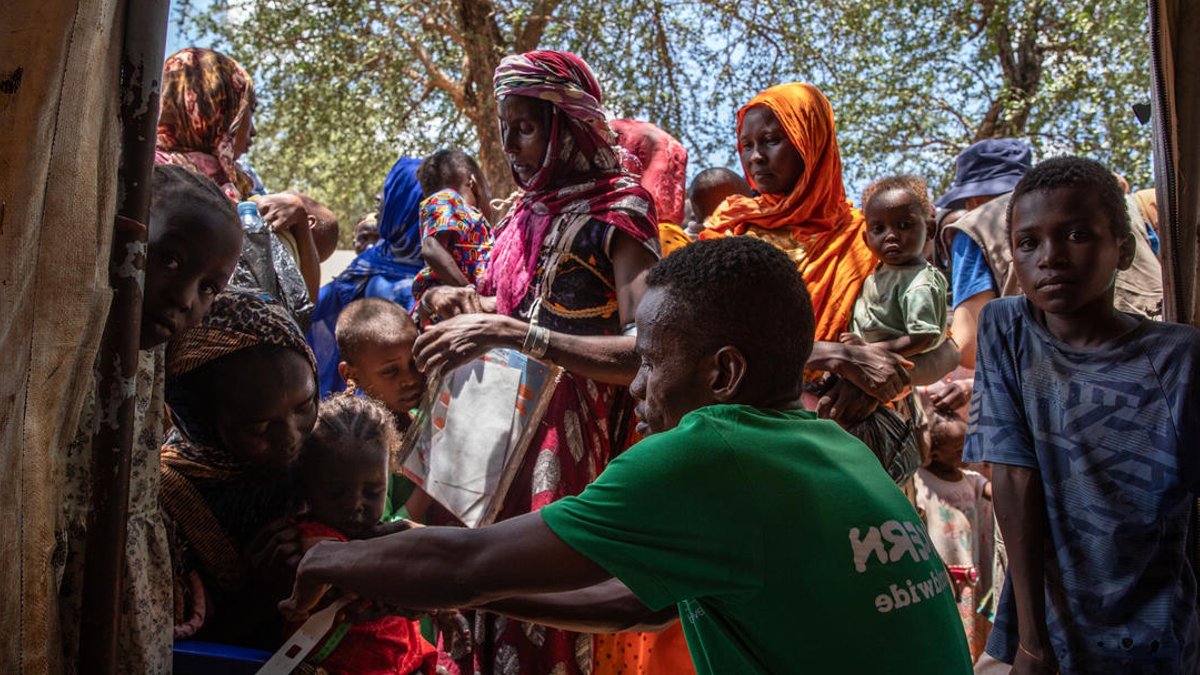
More than 650,000 refugees and asylum seekers in South Sudan may lose access to food, nutrition, and other critical aid by September because of severe funding shortfalls, the UN Refugee Agency and the World Food Programme announced on Friday.
The most vulnerable 240,000 refugees—those still receiving support—will be cut off first if the gap isn’t filled. The consequences will be immediate and long-lasting, increasing risks of malnutrition and exploitation, especially for women and children.
Funding crisis deepens as new arrivals surge
Conflict in the region continues to drive displacement. Up to 3,000 refugees and returnees arrive in South Sudan from Sudan each week, straining resources that were already stretched thin.
Adham Effendi, WFP’s Deputy Country Director in South Sudan, spoke from a UN briefing in Geneva. “We are seeing the devastating impact of conflicts that force people from their homes collide with a severe shortage of resources that is now making the crisis worse,” he said.
Refugees have begun taking desperate measures. Families skip meals, sell belongings, pull children from school, and take on debt to survive. “We are already hearing from refugees who are reducing meals, selling their belongings, withdrawing children from school, and taking on debt to survive. These are coping mechanisms that can quickly evolve into serious, long-term protection concerns,” said Mesfin Degefu, UNHCR Deputy Representative in South Sudan, at the Geneva briefing.
Millions at risk as hunger crisis worsens
The funding shortfall comes as South Sudan faces one of the world’s most severe hunger emergencies. Over 7.8 million people—more than half the population—experience acute food insecurity, while 2.2 million children suffer from acute malnutrition. Donor cutbacks have already forced WFP to reduce rations by half for the most vulnerable refugees.
The agency needs an immediate $37 million to sustain its refugee response, part of a broader $158 million gap for 2026. WFP assists 4.2 million food-insecure people across the country. Meanwhile, UNHCR has secured only 28% of the $286 million required this year to support nearly four million refugees, internally displaced persons, returnees, and host communities.
Related: User account access denied unexpectedly
The timing of the cuts worsens the situation. The rainy season has made food scarcer, market prices higher, and roads nearly impassable. Many refugee families already eat fewer meals, borrow money, or sell assets to get by. Some cut spending on health and education.
For Esraa, a refugee in Northern Bahr el Ghazal State, cash assistance from WFP provides a lifeline. She uses part of it to buy food for her family and the rest to generate small income by trading goods in the camp. Without it, she and thousands like her would have no safety net.
“Every week, thousands more refugees and returnees continue to arrive from Sudan with almost nothing, many exhausted, hungry and in urgent need of protection and assistance,” said Degefu.
The crisis extends beyond food. It determines whether families can remain in one place long enough to rebuild. Schools, small businesses, and community networks remain fragile. A single funding gap could destroy them.
South Sudan’s government has kept its borders open, but its resources are limited. The country ranks among
A similar funding crisis has stalled international environmental agreements, leaving vulnerable populations without promised support.

Plastic Treaty Negotiations Remain Stalled a Year After Collapse


