UK Hypertension Study Reveals High Rates of Untreated Cases
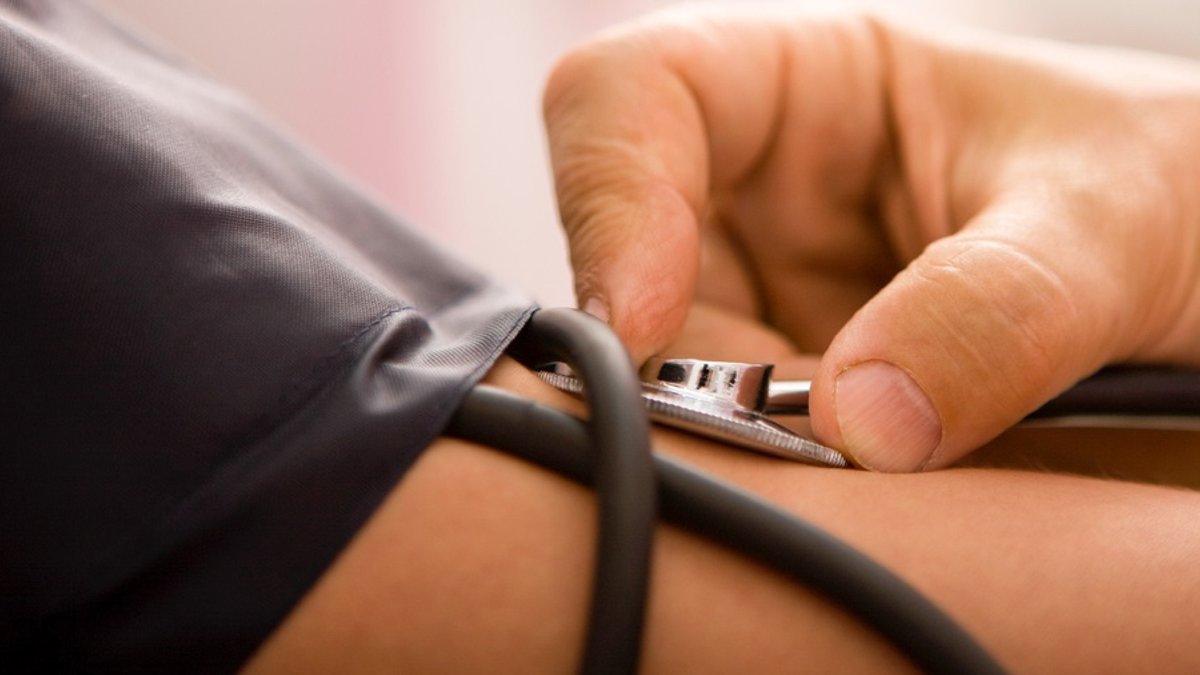
High blood pressure, commonly called hypertension, is typically defined as a systolic reading between 130 and 140 mm Hg or higher and a diastolic reading of 80 to 90 mm Hg or above. This condition impacts a significant segment of the global population. Approximately one in three adults aged 30 to 79 years worldwide experiences hypertension. Hypertension ranks among the top risk factors for stroke, heart disease, and early mortality, and may also heighten the likelihood of developing dementia.
Undetected and Uncontrolled Cases
Despite these guidelines, progress in measuring hypertension awareness, treatment, and control in the UK has stalled for decades, leaving many cases undiagnosed and untreated.
Analysis of blood pressure data from over one million adults by University of Oxford and Harvard T.H. Chan School of Public Health researchers revealed that roughly 60 percent of participants had undiagnosed hypertension. Controlled hypertension among medication users was defined as systolic pressure below 140 mm Hg and diastolic pressure below 90 mm Hg. The team discovered that half of those on antihypertensive drugs still had readings of 140 mm Hg / 90 mm Hg or higher. Men were nearly twice as likely to have hypertension as women, with 45 percent of men affected compared to 29 percent of women.
Over 35 percent of the study participants exhibited hypertension, with rates ranging from 15 percent among those 18 to 35 years old to 71 percent of individuals 80 years and older. Hypertension prevalence also correlated with higher body mass index levels. While the disparities in hypertension rates between genders, age groups, and BMI categories were expected, the study team noted, “The prevalence of hypertension was substantial across all demographic groups.”
A diagnosis alone does not ensure blood pressure remains under control. The findings show a gap where patients often continue medication without achieving target readings. Iain Turnbull, a coauthor and clinical research fellow at Oxford Population Health, emphasized the need for a more proactive strategy in managing hypertension. He suggests that both patients and healthcare providers should consider initiating treatment based on cardiovascular disease risk predictions and blood pressure measurements.
How to Measure Correctly
- Adopt a seated posture with your back supported.
- Support your forearm on a flat surface at heart level.
- Use an electronic or battery-powered monitor.
- Keep feet flat on the floor during measurement.
- Position the cuff firmly over the bare arm.
Understanding the Risks and Treatment Gaps
High blood pressure is a major risk factor for stroke, heart disease, premature death, and dementia. The condition is nearly twice as common in men as in women. Rates also rise with higher body mass index.


