Fecal Transplants Aid Sleep in Adults
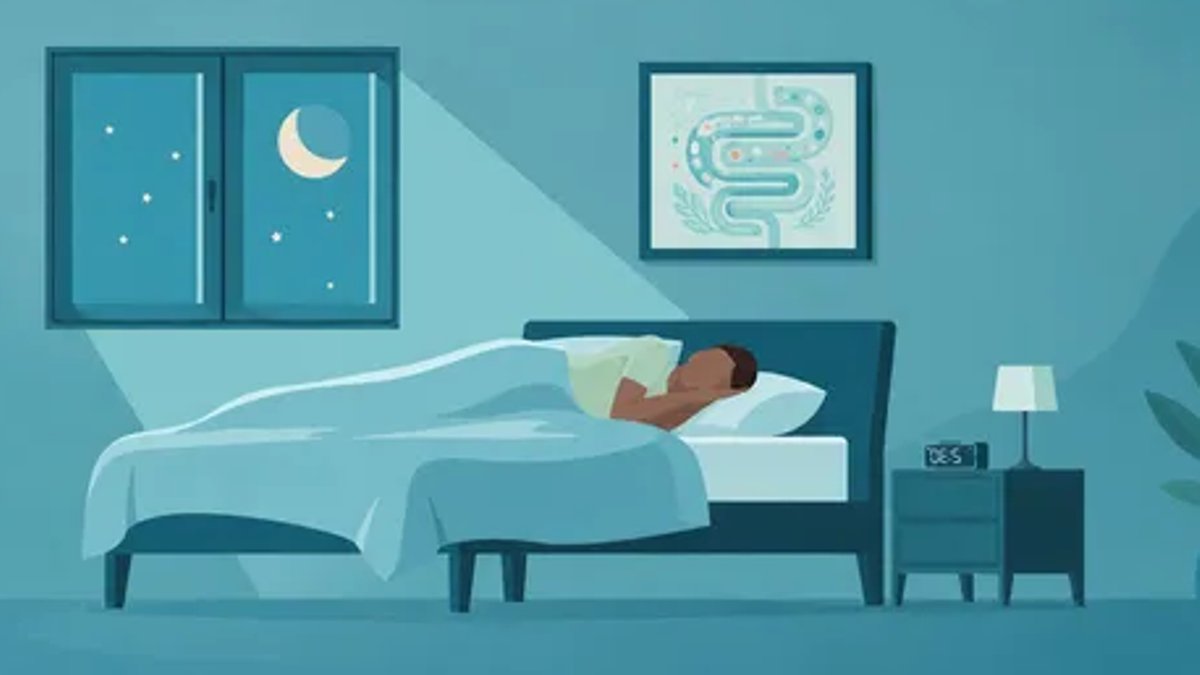
A new trial examined a novel solution to insomnia: a fecal transplant. The research, published in the Journal of Internal Medicine, found that fecal microbiota transplantation helped adults with chronic insomnia sleep longer and wake up less frequently after falling asleep.
The findings provide clinical evidence that the gut microbiota may be a modifiable component of the biological systems regulating human sleep, according to study authors Zhe Wang and Yanping Bao.
Fecal Transplants Improved Sleep Efficiency
For the trial, researchers recruited 80 adults in China with chronic insomnia. Participants were first given a short course of antibiotics to reduce existing gut bacteria. Then, half received an FMT capsule and the other half received a placebo.
The trial was randomized and double-blind, meaning neither the researchers nor the participants knew who received the treatment or the dummy pill. Healthy donors with no sleep disorders or psychiatric symptoms provided the material for the capsules.
Related: User account access denied unexpectedly
A month after receiving the FMT or placebo, participants came to a sleep lab so the researchers could record: How long participants slept, how frequently they woke up, and sleep efficiency, or the percentage of time someone spent asleep.
Results and Limitations
For adults who received a fecal transplant capsule, sleep efficiency increased from about 79 percent before treatment to 93 percent after one month. The placebo group’s sleep efficiency showed little change, going from about 85 percent to 87 percent.
Those who received FMT spent about 42 fewer minutes awake after falling asleep. The treatment group continued to show improvements for up to six months, according to self-reported questionnaires.
The study has some limitations: 80 participants is a modest sample size, and the results need to be replicated in larger and more diverse populations, Wang and Bao say. “We do not yet know which specific microorganisms or microbial functions produced the benefits, whether different donor preparations would have similar effects, or how long the improvements may persist.”
Related: User Blocked from Online Service
How Gut Health Affects Sleep
About a third of adults have at least one symptom of chronic insomnia, which refers to trouble falling or staying asleep at least three nights a week for three months or longer. The latest study suggests that fecal transplants could improve these symptoms, but more research is needed.
Erica Jansen, MPH, PhD, an assistant professor of nutritional sciences who studies the health impact of diet and sleep at the University of Michigan in Ann Arbor, was not involved with the study. Some bacteria, including Lactobacillus and Bifidobacterium, may improve sleep through enhanced serotonin production. Sleep deprivation can also reduce beneficial bacteria. Studies suggest probiotics, prebiotics, and fecal transplants could offer therapeutic potential.
“We also know that other digestive-related processes and symptoms can impact sleep,” Jansen says. For instance, acid reflux or gastrointestinal issues near bedtime can make it hard to fall and stay asleep.
The current study was designed to evaluate the clinical efficacy of fecal transplant, not to establish the precise biological mechanism, Wang and Bao say. Further research is needed to identify the specific microorganisms or functions responsible for the observed benefits.

User account access denied unexpectedly


