Most Online Blood Pressure Images Mislead Public
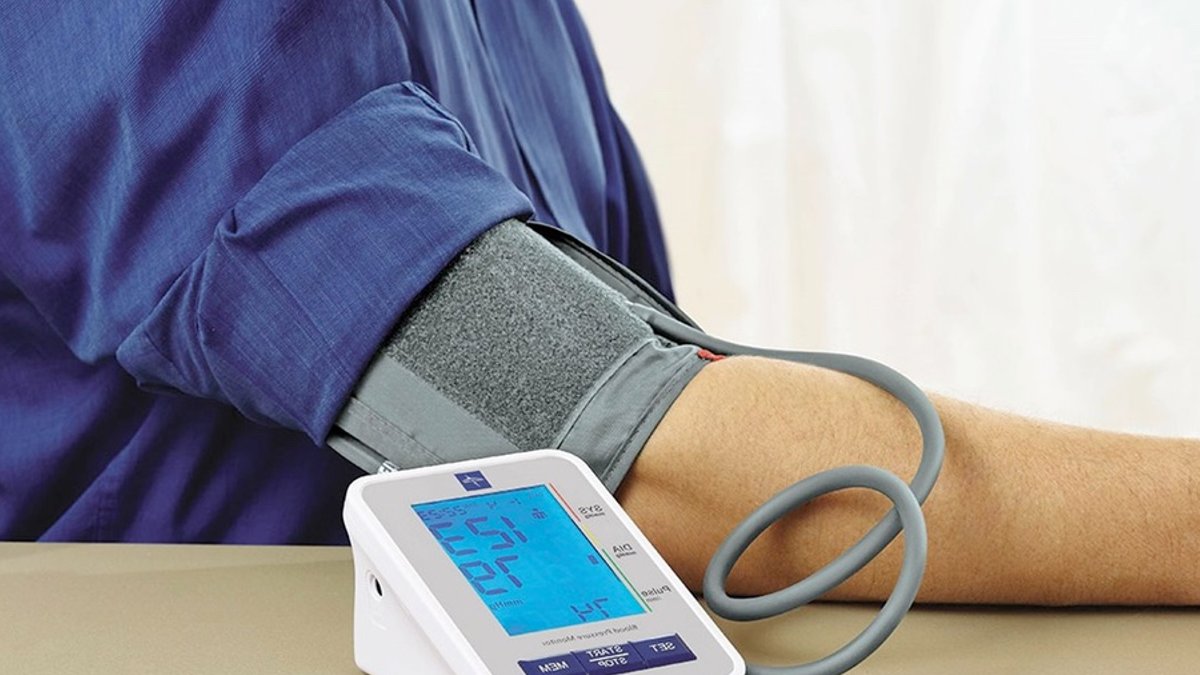
Online images often show the wrong way to take blood pressure, according to a recent study. Researchers found that only one in seven photos online correctly depict the process, which could lead to inaccurate readings and improper treatment. The researchers evaluated more than 1,000 images from 11 stock photo sites such as Flickr and iStock.
Inaccurate images may mislead patients
The study, published in Hypertension, evaluated over 1,000 images from stock photo sites. The researchers found that 73% of photos showed unsupported backs, 55% had forearms not resting on a flat surface, and 52% used manual devices instead of electronic ones. 63% of the photos depicted BP measurement in a provider’s office, hospital, or clinic, while 37% showed it in a home setting. BP was measured by a provider in 73% of the photos, by patients in 24%, and by someone else in 3%.
These inaccuracies can have serious consequences. Alta Schutte, the study’s lead author, stated that people tend to remember images better than words, making misleading photos a potential public health concern. Schutte, a professor of cardiovascular medicine at the University of New South Wales Sydney, emphasized that inaccurate readings can lead to overly aggressive or insufficient treatment.
Correct technique is key for accurate readings
The American Heart Association provides guidelines for accurate blood pressure measurement at home. These include sitting upright with back support, resting the forearm on a flat surface at heart level, and using an electronic device. Other critical steps are keeping feet flat on the floor, placing the cuff over the bare arm, and avoiding talking or laughing during measurement. The study found that only 35% of photos showing patients measuring their own blood pressure at home depicted the correct technique, compared to 8% of photos taken by providers in clinics.
Further analysis revealed that in over a third of the photos, the patient’s feet were not flat on the floor; in nearly 20%, the mid-arm was not at heart level; and in 18%, the patient was talking or laughing. The patient’s legs were crossed in 13% of the photos, and in 12%, the cuff was placed over clothing. Only 13% of the pictures showed blood pressure being taken correctly by other people.
Addressing the issue
According to the American Heart Association, almost 50 percent of Americans have hypertension, or high blood pressure. The researchers encourage stock photo agencies, web developers, and health organizations to review their images and ensure they depict the correct blood pressure measurement technique. Patients should be cautious when relying on online images and prioritize following established guidelines for proper technique.


