Older Americans taking more prescription drugs
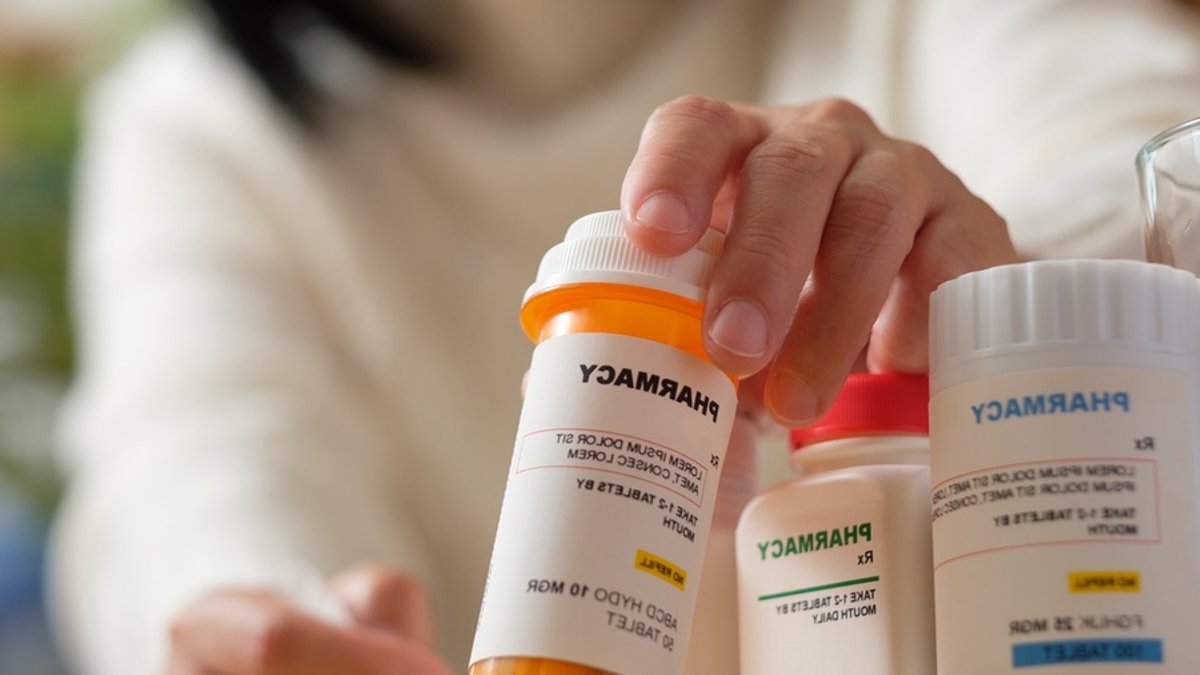
The number of older Americans taking five or more prescription medications rose by nearly 5% between 2015-2016 and 2021-2023, according to a new study tracking polypharmacy risks. Researchers at the University of Southern California analyzed data from over 2,750 adults aged 62-85 in the first period and 2,180 in the later wave, finding that while serious drug-drug interactions declined slightly, the overall use of multiple medications continued to grow.
Polypharmacy, the regular use of multiple medications and supplements, poses risks of harmful interactions, some of which can be fatal. The study, published in JAMA, noted that the share of high-risk medication combinations declined by more than 3%. The use of opioids decreased by about 1.5%, and the use of benzodiazepines decreased by almost 3%. Most types of medications associated with potentially serious drug-drug interactions stayed the same, however.
Other trends were less positive. Use of muscle relaxers increased, raising concerns about unintended overlaps with other prescriptions. Dima Qato, a researcher and associate professor of clinical pharmacy, said some patients may be substituting these drugs for others without realizing the potential for duplication.
Read Also: U.S. alcohol use drops but heavy drinking persists among older
Supplements aren’t the only concern. The data suggests that new medications, expanded uses for existing drugs, and growing reliance on vitamins or minerals as self-treatment may be contributing to the trend. For example, while opioids and benzodiazepines declined, other classes of drugs saw stable or rising use, leaving many seniors on complex regimens without clear oversight.
Qato emphasized that patients should verify the purpose of each medication with their doctor or pharmacist to avoid redundant treatments. She also recommended using tools like the Drug Interaction Checker on drugs.com to assess risks before combining prescriptions or supplements. The decline in high-risk combinations suggests awareness is improving, but the overall increase in medication use means vigilance remains critical.


