UN Chief Warns of Climate Crisis
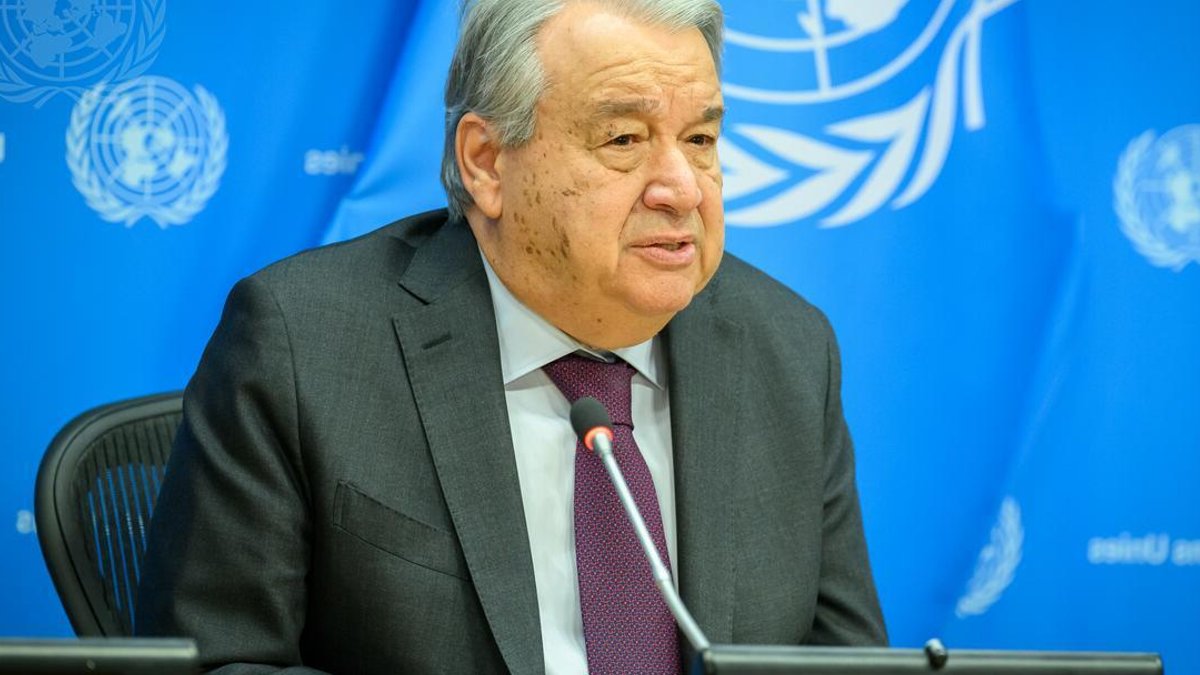
The UN secretary‑general warned that the climate crisis has entered “overdrive,” linking accelerating heat extremes to both a strengthening El Niño and ongoing fossil‑fuel consumption.
El Niño intensifies as temperatures surge worldwide
The World Meteorological Organization reported that the Niño 3.4 index rose from 0.5 °C in April to 1.6 °C in June, indicating rapid Pacific warming.
Sea‑surface temperatures in monitored zones are projected to average nearly 3 °C above normal between August and October. The WMO expects the pattern to keep intensifying into November, meaning that current heat spikes are likely a prelude, not a peak.
Through October, almost every land area on Earth is forecast to be hotter than usual. Regions such as Africa, southern Europe, the Arabian Peninsula, the Indian subcontinent, eastern Asia, Central America, the Caribbean, Southern Africa, much of South America and New Zealand are identified as the most vulnerable to extreme heat.
Wetter‑than‑normal conditions are predicted for the Greater Horn of Africa, parts of Central Asia, Southern Europe, Western North America and southeastern South America, while drier‑than‑normal weather is likely over the Indian subcontinent, southern and eastern Australia, parts of the Caribbean, northwestern South America and northern Europe.
“Every city and country should have heat‑health action plans, early warning systems and public health measures that reach every community in time,” the secretary‑general said.
They added that heat deaths are vastly undercounted, with many fatalities never recorded as heat‑related even when heat plays a decisive role.
Related: Ebola Response Crumbles as Fatigue Grips Congo Health Workers
Calls for fossil‑fuel phase‑out amid mounting impacts
“Fossil fuels are fanning the flames of this crisis. Expansion must stop,” the UN chief stated, warning that continued coal, oil and gas use will create a more combustible future.
They emphasized that the “warm‑up act” is over and that waiting for a “main event” is not an option. The UN official noted that despite the warnings, many countries and pension funds still invest in fossil‑fuel projects rather than clean technology.
“The hope is that the public, who are being impacted by these extreme climate‑related events, will demand urgent and ambitious climate action,” the official said.
WMO secretary‑general Celeste Saulo highlighted that the current El Niño develops against a backdrop of unprecedented ocean heat and rising temperatures, offering a “window of opportunity” for governments to anticipate risks and act before impacts unfold.
Celeste Saulo urged that decisions made today will shape the impacts experienced tomorrow.
Overall, the message from UN leadership is clear: without halting fossil‑fuel expansion and implementing robust heat‑health strategies, the climate crisis will continue to exacerbate human suffering worldwide.
It is a critical moment.

Ebola Response Crumbles as Fatigue Grips Congo Health Workers


