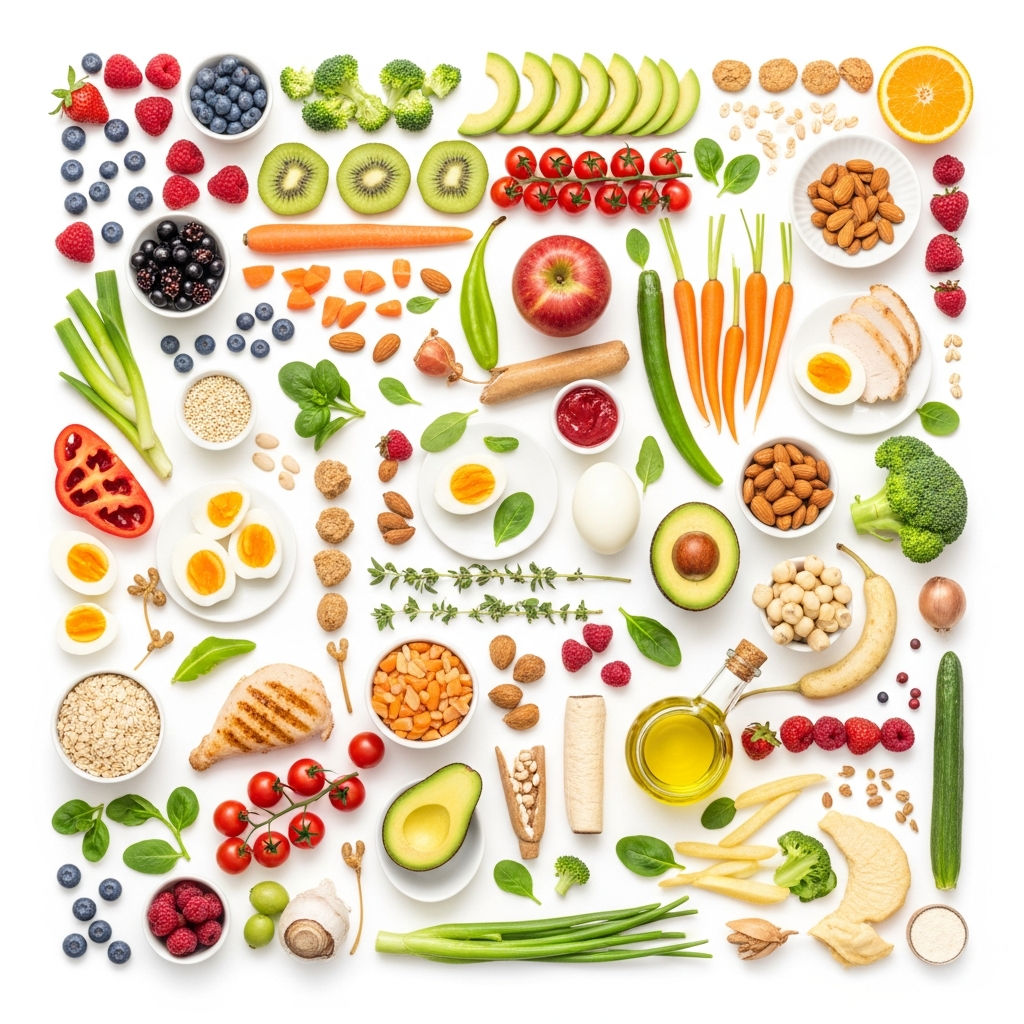
The Great Nutrition Deception: Why Your “Healthy” Diet is Failing Your Biology
The modern health food industry is built on a foundation of reductionist science and marketing aesthetics. We have been conditioned to believe that “healthy” is a binary state achieved by checking boxes: organic, low-fat, or plant-based. This is a catastrophic misunderstanding of human biochemistry. True nutritional optimization isn’t about the absence of “bad” ingredients; it is about the bioavailability of nutrients and the mitigation of metabolic friction. If you are eating kale salads and steamed chicken but still feel brain-fogged and lethargic, you aren’t eating healthy—you are performing health theater.
The Bioavailability Arbitrage: Maximizing Nutrient Extraction
Most people consume nutrients that their bodies never actually see. Improving your food starts with understanding that what you swallow is not necessarily what you absorb.
- 1. The 40-Minute Cruciferous Wait: When you chop broccoli or kale, an enzyme called myrosinase creates sulforaphane—a potent Nrf2 activator. If you heat it immediately, you destroy the enzyme. Chop your greens and let them sit for 40 minutes before cooking to lock in the medicine.
- 2. Fat-Soluble Transport: Vitamins A, D, E, and K are useless without a lipid carrier. Stop eating “dry” salads. Every vegetable dish requires a high-quality animal fat or fruit oil (olive/avocado) to move nutrients across the gut barrier.
- 3. The Synergistic Spice Strategy: Curcumin in turmeric has abysmal bioavailability. Adding just a pinch of black pepper (piperine) increases its absorption by 2,000%. Never use one without the other.
- 4. Phytate Neutralization: Grains and legumes are defense-heavy organisms. Soaking them for 12–24 hours isn’t “old fashioned”; it’s a mandatory biochemical process to neutralize phytic acid, which otherwise binds to minerals like magnesium and zinc, flushing them out of your system.
- 5. Animal-Source Retinol over Beta-Carotene: Stop pretending carrots give you Vitamin A. They give you beta-carotene, which requires a highly inefficient conversion process. For true ocular and skin health, you need preformed Vitamin A (Retinol) found in grass-fed butter or liver.
Engineering Metabolic Efficiency: The Hidden Mechanics of Food
How you prepare food changes its glycemic and hormonal impact. You can eat the same calorie count and experience two completely different metabolic realities.
- 6. Retrograde Starch Engineering: Cook your rice and potatoes, then refrigerate them for 24 hours before reheating. This process turns digestible starch into resistant starch, feeding your microbiome and slashing the insulin response.
- 7. Acidic Blunting: Adding vinegar or lemon juice to a high-carb meal isn’t for flavor; it’s for blood sugar management. Acetic acid inhibits alpha-amylase, slowing the breakdown of starch into glucose.
- 8. Collagen-to-Muscle Meat Ratio: We consume far too much methionine (from muscle meat) and not enough glycine (from connective tissue). This imbalance promotes inflammation. If you eat steak, you must supplement with collagen or bone broth to balance your amino acid profile.
- 9. The “Second Meal Effect”: Consuming high-fiber legumes for lunch improves glucose tolerance for your dinner, even if dinner is low-fiber. Plan your fiber intake as a proactive metabolic primer.
- 10. Allspice and Cloves for AGE Inhibition: Advanced Glycation End-products (AGEs) are cellular “gunk” caused by high-heat cooking. Marinating meats in spices like cloves or allspice significantly inhibits the formation of these toxins during the cooking process.
Deconstructing the “Healthy” Hallucination
Many foods marketed as health staples are actually driving systemic inflammation through “hidden” anti-nutrients and industrial processing.
- 11. The Seed Oil Scourge: High-linoleic acid oils (canola, soybean, corn) are unstable and prone to oxidation. They integrate into your cell membranes and stay there for years. Use tallow, ghee, or coconut oil—saturated fats that are chemically stable under heat.
- 12. Oxalate Awareness: “Superfoods” like spinach and almonds are loaded with oxalates, which can cause kidney stones and joint pain. Switch to low-oxalate greens like arugula or bok choy, or boil your spinach and discard the water to leach the oxalates out.
- 13. The Lectin Defense: If you have “leaky gut,” the lectins in nightshades (tomatoes, peppers) are likely the culprit. Pressure cooking is the only reliable way to destroy these protein-binding “sticky” molecules.
- 14. Fermentation Over Supplementation: A single serving of high-quality sauerkraut contains more probiotic diversity than an entire bottle of expensive pills. Your gut needs live, competing cultures, not a monoculture from a lab.
- 15. Soil Health as a Nutrient Metric: A “labeled” organic tomato grown in depleted hydroponic solution is nutritionally inferior to a non-organic tomato grown in regenerative, mineral-rich soil. Source by soil quality, not just USDA labels.
Advanced Sourcing and Preparation Mastery
To move into the top 1% of nutritional health, you must treat your kitchen like a laboratory and your sourcing like a supply-chain manager.
- 16. Stop Peeling Your Roots: Most of the polyacetylenes and specialized polyphenols are in the skin of carrots and parsnips. Scrub them, don’t shave them.
- 17. The Wild-Caught Fraud: Much “wild” fish is mislabeled. Look for the “MSC” certification or source smaller fish like sardines and mackerel, which have lower heavy metal loads and higher omega-3 density.
- 18. Grass-Fed vs. Grass-Finished: “Grass-fed” is a marketing loophole; cows can be finished on grain. Ensure your beef is 100% grass-finished to guarantee the correct Omega-3 to Omega-6 ratio.
- 19. Salt is a Nutrient Delivery Vehicle: Table salt is a processed chemical. Use Celtic sea salt or Redmond Real Salt to obtain the 60+ trace minerals your adrenals require for stress management.
- 20. Avoid “Enriched” Flour: If a product says “enriched,” it means the natural nutrients were stripped and replaced with synthetic, poorly absorbed vitamins like folic acid, which can mask B12 deficiencies.
- 21. The Sprouted Advantage: Sprouting seeds and nuts isn’t just for texture; it “wakes up” the plant, drastically increasing enzyme content and reducing digestive load.
- 22. Cold-Pressed Integrity: Heat ruins delicate oils. Only buy extra virgin olive oil in dark glass bottles, and never use it for high-heat sautéing; keep it for finishing.
- 23. Raw Honey’s Enzymatic Power: Heating honey above 104°F (40°C) destroys its medicinal enzymes. It becomes just another sugar. Use it raw or not at all.
- 24. The Egg Yolk Priority: The whites are just protein; the yolks are the multivitamin. If you’re making an omelet, use a 2:1 ratio of yolks to whites for optimal choline and lutein intake.
- 25. Bone Broth Gelatinousness: If your bone broth doesn’t turn into jelly in the fridge, it’s just flavored water. You need the gelatin content for gut lining repair.
The Psychological and Chronobiological Framework
Food is information, and the timing of that information dictates your hormonal output.
- 26. Circadian Eating: Your insulin sensitivity is highest in the morning. Front-load your carbohydrates and taper them off as the sun goes down to align with your body’s natural rhythm.
- 27. The 20-Minute Satiety Lag: Leptin takes time to signal to the brain that you are full. If you eat in under 15 minutes, you are biochemically guaranteed to overeat.
- 28. Monotrophic Meals for Digestion: Complex meals with 20 ingredients confuse the digestive system. Try “monotrophic” eating—simpler meals with 3–5 high-quality ingredients—to reduce bloating and improve enzyme efficiency.
- 29. Eliminate Liquid Calories: The body does not register liquid calories the same way it does solid food. Even “healthy” green juices can cause a massive insulin spike without the fiber buffer.
- 30. Sensory Specific Satiety: The food industry uses “bliss points” (salt/sugar/fat combos) to override your fullness. Counter this by eating single-ingredient foods that have distinct, natural flavors.
- 31. The Coffee Window: Don’t drink coffee the moment you wake up. Wait 90 minutes for your cortisol to peak and decline naturally, or you’ll end up with a mid-afternoon crash that drives poor food choices.
- 32. Alcohol as an Anti-Nutrient: Alcohol isn’t just “empty calories”; it halts fat oxidation and nutrient absorption for up to 24 hours. If you’re eating a high-quality meal, don’t wash it down with a toxin that prevents you from using it.
- 33. Mindful Mastication: Your stomach doesn’t have teeth. Digestion begins in the mouth with salivary amylase. Chewing each bite 30 times is the single most underrated “hack” for improving nutrient uptake.
The Industry Outlook: The Future of Food is Functional
We are moving away from the era of “General Nutrition” and into the era of Personalized Bio-Individualism. The future of healthy food isn’t more “organic” labels; it’s real-time metabolic monitoring. Soon, we will understand that a banana might be “healthy” for one person while causing a pre-diabetic glucose spike in another. To stay ahead, stop following generic food pyramids and start listening to the data your body provides—inflammation, energy levels, and digestive ease are the only metrics that matter. Stop eating for the label, and start eating for the mitochondria.